




Samsung Electronics Labor Dispute Explained: Bonus Demands, Strike Warning, and Chip-Sector Risk
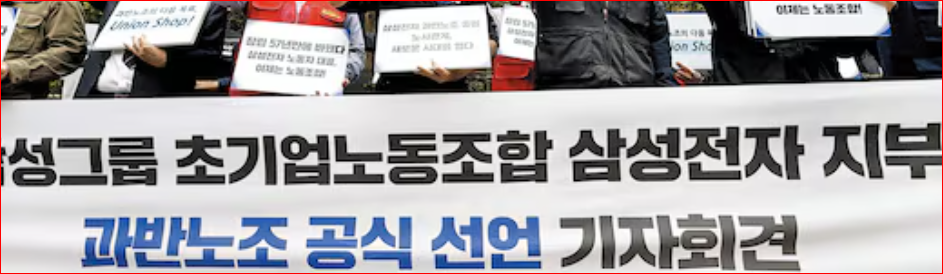
Samsung Electronics’ labor dispute in April 2026 is more than a normal wage negotiation. It combines a demand for a new performance-bonus structure, a warning of possible strike action, and market concerns about whether chip production could be affected.
Short answer
The key issue is how much of Samsung’s strong semiconductor-cycle profit should return to employees as performance pay, and how much should remain available for investment, research, and stable operations. The union is pressing for a bonus pool linked to operating profit, while management says lawful labor action is respected but disruption of production facilities must be prevented.
What has been reported so far
- Samsung announced preliminary first-quarter operating profit of about 57.2 trillion won and sales of about 133 trillion won.
- The union has discussed possible strike action beginning on May 21 for 18 days after wage talks stalled.
- A large rally in Pyeongtaek was reported for April 23.
- Samsung sought an injunction on April 16 to prevent illegal actions such as occupying production lines.
- The dispute centers on removing the performance-bonus ceiling, linking bonuses to operating profit, and comparing compensation with competitors such as SK hynix.
Why the 15% bonus demand matters
The most visible number is the union’s demand to use 15% of operating profit as a performance-bonus source. That figure is symbolic because it could change the entire compensation formula, not just add a small raise. However, estimates based on possible full-year profit should be separated from Samsung’s official guidance. The confirmed number available in the source article is the preliminary first-quarter result.
Why investors and the chip industry are watching
Samsung is one of the world’s most important memory-chip companies. If a labor dispute creates uncertainty around production, the issue can move beyond one company’s wage table and become a semiconductor supply-chain concern. At the same time, any large shift in bonus policy can affect how the company balances employee compensation, capital expenditure, and future R&D.
How each side frames the dispute
The union argues that employees who helped create the semiconductor upturn should receive compensation more directly connected to operating profit. Management argues that negotiations can continue, but production-line occupation or facility disruption would create unacceptable operational risk.
What to watch next
The next signals are the scale of the Pyeongtaek rally, whether talks reopen after the rally, how the court handles Samsung’s injunction request, and whether the May 21 strike warning becomes actual labor action. The most important point is to distinguish confirmed figures from projections and bargaining claims.
관련 글: 2026 COEX Baby Fair Guide: BEFE, COBE and MomsHolic Schedule Checklist
#SamsungElectronics #LaborDispute #Semiconductors #KoreaEconomy #CorporatePolicy
이 글은 제휴활동의 일환으로, 구매가 발생할 경우 일정액의 수수료를 제공받을 수 있습니다.