




Kombucha Benefits and Side Effects
Is It Safe to Drink Every Day for Dieting?
Kombucha is a fermented tea drink made with tea, sugar and a symbiotic culture of bacteria and yeast. It is often marketed as a gut-health or diet drink, but the evidence and the safety cautions should be checked together.
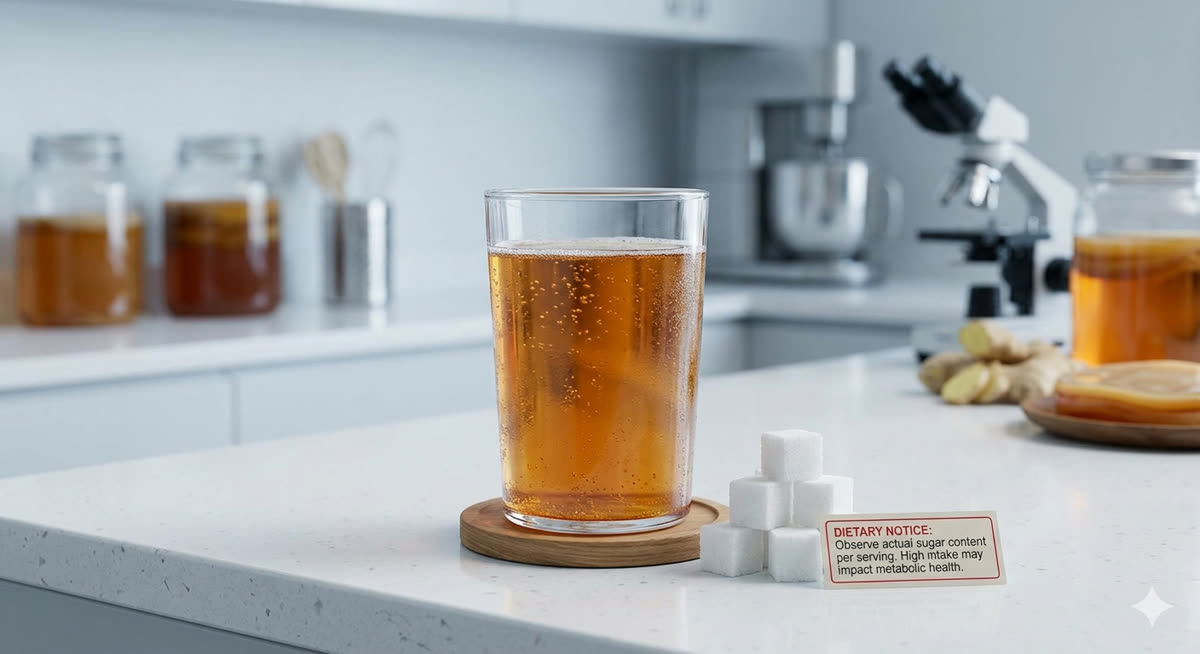
Kombucha can be a refreshing alternative to soda because it has a tart flavor and light carbonation. Still, the real value depends on the product. Sugar content, acidity, caffeine, storage condition and possible trace alcohol can vary widely.
What benefits are realistic?
1. Possible gut-health support
Some kombucha products may contain live microbes, and probiotics can be associated with digestive balance. However, not every kombucha has the same strains or the same level of live cultures.
2. Tea-derived antioxidants
Because kombucha is usually based on green tea or black tea, it may contain tea polyphenols. That does not mean it works as a detox cure or disease-prevention drink.
3. Soda replacement
If you replace sweet soda with a low-sugar kombucha option, the benefit may come from reducing sugar intake rather than from a special kombucha effect.
4. Diet effect is conditional
Kombucha does not automatically cause weight loss. It can help only when it replaces higher-calorie drinks and when the serving size stays reasonable.
What should you check before drinking it daily?
| Point | Why it matters | Practical check |
|---|---|---|
| Sugar | Some fruit-flavored products contain more sugar than expected. | Check sugar per serving and compare sugar-free or low-sugar kombucha first. |
| Acidity | Strong acidity can irritate teeth and the stomach. | Do not sip it for hours; rinse with water afterward. |
| Caffeine | Tea-based drinks may disturb sleep in sensitive people. | Avoid late-night servings if you are caffeine-sensitive. |
| Trace alcohol | Fermentation can create small amounts of alcohol. | Pregnant people and alcohol-sensitive people should be conservative. |
| Home brewing | Contamination and over-fermentation are possible. | Beginners may prefer reliable commercial products such as kombucha powder packs or bottled products. |

How to drink kombucha more safely
Start with a small amount, especially if fermented drinks or acidic drinks usually bother your stomach. Choose low-sugar products, drink with or after a meal, and avoid treating kombucha as unlimited water.
If you are pregnant, nursing, immunocompromised, managing blood sugar, or sensitive to caffeine or alcohol, talk with a healthcare professional first. For gut-health supplements, compare a dedicated probiotic product separately instead of assuming kombucha will provide the same effect.
FAQ
Is kombucha good for gut health?
It may help in some cases, but kombucha-specific human evidence is still limited and varies by product.
Can I drink it every day for weight loss?
Daily intake is not automatically a diet strategy. The key is sugar content, total calories and what drink it replaces.
Is homemade kombucha healthier?
Not necessarily. Poor sanitation or over-fermentation can create safety problems, so home brewing requires careful control.
Buying checklist
Before buying, check sugar per serving, caffeine, refrigeration/storage guidance, bottle size and whether the product is ready-to-drink or powder.
This post contains affiliate links. If you make a purchase through these links, we may earn a small commission at no extra cost to you.