




There are moments when a single line in a corporate event does not end as a simple slip of the tongue. Especially on a day when a national day of remembrance overlaps with the memory of a democratization movement, a product name, a date, or one phrase can be read by consumers in an entirely different way. The Starbucks “Tank Day” controversy on the May 18 anniversary showed why marketing review and historical sensitivity have become central to corporate risk.
Starbucks Korea Tank Day Controversy on May 18: The Tumbler Promotion, Backlash, and CEO Dismissal
On May 18, 2026, Starbucks Korea faced intense criticism after the expressions “Tank Day” and “Tak! on the desk” were used in a tumbler promotion. The controversy led to edits and deletion of the event on the app and website, an official apology, the dismissal of Starbucks Korea CEO Son Jeong-hyun, and plans to dismiss the executive in charge.
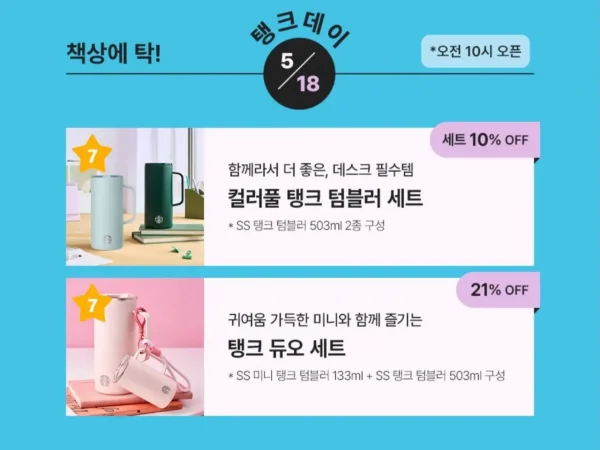
The core of this controversy was not simply the single product name “Tank.” The issue was that the date, the anniversary of the May 18 Democratization Movement, language evoking tanks, and the phrase “Tak! on the desk”—criticized for recalling the state-violence cover-up statement made during the 1987 torture-death case of martyr Park Jong-chul—all appeared together in one promotion.
After the controversy emerged, Starbucks changed the event name and wording, but criticism did not subside. The company eventually stopped the event and posted an apology. Shinsegae Group said on the same day that it had notified CEO Son Jeong-hyun of his dismissal, would also dismiss the executive who planned and oversaw the event, and planned to begin disciplinary procedures for related employees.
Basic Information on the Incident
Why the Controversy Grew
The Date: May 18
May 18 is a national day of remembrance honoring the May 18 Democratization Movement. Because the name “Tank Day” was used on this date, critics said it went beyond a simple product promotion and treated historical memory too lightly.
The Event Name “Tank Day”
Starbucks intended to promote its Tank tumbler series, but consumers pointed out that the expression inevitably brought to mind martial-law suppression and images of tanks during May 18. The criticism was that the combination of the product name and the anniversary itself was inappropriate.
The Phrase “Tak! on the desk”
The phrase “Tak! on the desk” used in the promotional image was criticized for recalling the evasive explanation given during the 1987 torture-death case of martyr Park Jong-chul. The overlap with this expression intensified the controversy.
The Initial Revision Response
After the controversy, Starbucks changed “Tank Day” to “Tank Tumbler Day” and “Tak! on the desk” to “Perfect for work,” but consumers criticized the response as failing to fully recognize the essence of the problem.
Timeline of Events
| Time | Main developments | Meaning |
|---|---|---|
| May 18 | Starbucks Korea ran the “Tank Day” tumbler promotion on its app, website, and other channels | The controversy began as the event name clashed with the May 18 anniversary |
| Early stage of controversy | Criticism spread that the promotional phrase “Tak! on the desk” recalled expressions linked to the Park Jong-chul case | The issue expanded from a product-name controversy into allegations of trivializing the democratization movement |
| First response | The event name and copy were revised | Revision alone failed to calm public criticism |
| Controversy expands | Criticism spread through online communities, social media, civic groups, and political circles | A corporate marketing problem turned into a debate over social responsibility |
| Event suspended | Starbucks deleted and stopped the event and posted an apology | The brand risk entered the formal response stage |
| CEO dismissed | Shinsegae Group announced the dismissal of CEO Son Jeong-hyun, a plan to dismiss the executive in charge, and disciplinary procedures for related personnel | A marketing mistake expanded into a question of management accountability |
The Historical Context Evoked by the Problematic Copy
“Tank” clashed with the memory of May 18.
The May 18 Democratization Movement is a tragic event in modern Korean history, when citizens confronted martial-law troops. When the name “Tank Day” was used on this anniversary, some consumers criticized it as language that evoked military suppression and military violence.
“Tak! on the desk” was said to recall the Park Jong-chul case.
During the 1987 torture-death case of martyr Park Jong-chul, the state’s explanation—“When we hit the desk with a tak, he cried out and died”—became a symbolic phrase in Korean democratization history for the cover-up of state violence. Criticism grew because the new promotional phrase called that memory to mind.
The combination was too sensitive to be dismissed as coincidence.
From the company’s perspective, it may have been a combination of product name and promotional copy, but the context received by consumers was completely different. The date, the word, and the phrase overlapped at the same time, and the incident was taken as touching a historical wound.
Responses from Starbucks and Shinsegae Group
After the controversy was raised, Starbucks changed the phrase “Tak! on the desk” and also revised the “Tank Day” event name. However, the measure was seen as an attempt to minimize the problem and did not silence criticism.
As criticism grew, Starbucks stopped the related event and posted an apology. It later distributed another apology under the name of the CEO, apologizing to the spirits of May 18, related organizations, citizens of Gwangju, and the bereaved family of martyr Park Jong-chul.
Shinsegae Group held CEO Son Jeong-hyun accountable for the inappropriate marketing and dismissed him, and also decided to dismiss the executive who planned and oversaw the event. The group said it would also begin disciplinary procedures for related employees.
Shinsegae Group and Starbucks mentioned reestablishing work processes, conducting an internal investigation, training all employees, and strengthening advance review procedures. The incident came to be treated not as a simple failure to review copy, but as an issue of the organization’s historical sensitivity.
Social Impact
Spread of boycott sentiment
On social media and online communities, reactions continued that mentioned deleting the app, posting proof of discarding products, and boycotting the brand. Consumer anger moved from simple protest to brand rejection.
Condemnation by May 18-related groups
May 18-related organizations and civic groups viewed the matter as a distortion of history and a mocking expression, and strongly criticized it. In particular, they demanded a sincere apology to bereaved families and Gwangju citizens, along with measures to prevent recurrence.
Criticism from political circles
Criticism also continued in political circles. With the president’s criticism on social media and comments from party spokespersons, a corporate event controversy expanded into a political and social issue.
Debate over management responsibility
As the situation grew, Shinsegae Group took strong personnel action by dismissing the CEO. It became a representative case in which a marketing mistake spread into a question of top-management responsibility.
Key Problems from a Corporate Marketing Perspective
| Problem area | Why it was risky | Review that was needed |
|---|---|---|
| Lack of anniversary review | May 18 is a day that remembers a tragedy in modern Korean history and honors democracy | Checking whether the event date conflicted with national anniversaries or days of social mourning |
| Conflict between product name and date | On May 18, the word “tank” could be read as an image of military violence | Reviewing the social context of product names, event names, and images |
| Historical associations in promotional copy | The phrase “Tak! on the desk” called to mind the cover-up statement in the Park Jong-chul case | Reviewing the political, social, and historical meanings of copy |
| Insufficient initial response | The revision response was received as failing to understand the essence of the problem | Immediate suspension, apology, explanation of circumstances, and a promise to prevent recurrence |
| Insufficient internal gatekeeping | The event name, copy, and schedule were all problematic, yet they were not blocked in advance | A multi-layered review system involving marketing, legal, public affairs, and ethics management |
The essence of this incident
The problem was not one word, but context. As the date May 18, the event name “Tank Day,” and the phrase “Tak! on the desk” combined at the same time, the public received it not as a simple mistake but as an incident that treated the memory of the democratization movement lightly.
Impact on Consumer Trust
Brand loyalty rests on emotional trust.
Starbucks is a company that grew on everyday consumer experiences and brand image. But when an incident touches consumers’ historical sensitivity, trust in the brand itself can be shaken regardless of product quality or price.
Preventing recurrence matters more than the apology.
An official apology and personnel measures are only the beginning of containing the situation. To actually restore consumer trust, time will be needed to show how the marketing review system changes afterward and whether similar problems do not happen again.
It can expand into a question of internal culture.
Some point out that it is difficult to see this only as the mistake of one copywriter or working-level employee. If the event schedule, product name, copy, and images passed through the internal approval process, the organization’s entire review system must be examined.
Issues to Watch Going Forward
- Whether Shinsegae Group and Starbucks Korea disclose the results of their internal investigation
- The scope of disciplinary action for related employees and follow-up personnel measures
- Whether separate apologies are made to May 18-related groups and the bereaved family of martyr Park Jong-chul
- Actual changes in historical-awareness training for all employees and advance marketing review procedures
- Whether boycott sentiment ends as a short-term issue or leads to a decline in brand trust
- Whether corporate marketing standards related to national anniversaries and memorial days are strengthened going forward
Frequently Asked Questions
Q. What is the Starbucks Tank Day controversy?
A. It is an incident in which Starbucks Korea used the event name “Tank Day” and the phrase “Tak! on the desk” in a tumbler promotion on May 18, 2026, prompting criticism that it evoked the May 18 Democratization Movement and the Park Jong-chul case.
Q. Why was May 18 a problem?
A. May 18 is a day that honors the May 18 Democratization Movement. The use of the expression “Tank Day” on this day drew criticism because it evoked images of military violence and martial-law suppression.
Q. Why did the phrase “Tak! on the desk” become controversial?
A. Critics said the phrase recalled the cover-up explanation from the 1987 torture-death case of martyr Park Jong-chul. As a result, the issue spread into criticism that the wording was not merely promotional copy but a trivialization of the sacrifices of the democratization movement.
Q. How did Starbucks respond?
A. At first, Starbucks revised the event name and copy, but as the controversy continued, it deleted and suspended the event and posted an apology. An additional apology under the CEO’s name was later issued.
Q. Was CEO Son Jeong-hyun actually dismissed?
A. According to reports, Shinsegae Group said it would immediately dismiss Starbucks Korea CEO Son Jeong-hyun to hold him accountable for the inappropriate marketing. It also decided to dismiss the executive responsible for planning and overseeing the event.
Q. What is the biggest lesson from this incident?
A. Corporate marketing must review not only product names and copy, but also dates, history, and social context. Especially on national anniversaries and memorial days, even one small expression can lead to large-scale brand risk.
Closing
The Starbucks “Tank Day” controversy is a case in which a simple tumbler discount event developed into a corporate crisis-management incident. The expression “Tank Day,” used on the anniversary of the May 18 Democratization Movement, and the phrase “Tak! on the desk” touched wounds in modern Korean history, and consumers did not accept them as mere coincidence.
When companies carry out marketing, the first thing they must consider is not eye-catching wording but social context. Even a phrase that begins with a product name can take on an entirely different meaning when it overlaps with a date and historical memory. This incident clearly showed that a company’s advance review system, historical sensitivity, and speed of crisis response can determine brand trust.