




Samsung Electronics Labor Talks Break Down
Strike Risk and Semiconductor Supply Chain Impact
Samsung Electronics and its labor union failed to reach an agreement in post-mediation talks on May 13, 2026. The dispute centers on performance bonus rules, transparency, and whether a strike scheduled for May 21 could affect semiconductor operations.
The issue looks like an internal compensation dispute at first, but at a global chipmaker it can quickly become a supply-chain story. If labor conflict drags on, investors and customers may focus on production stability, maintenance staffing, memory supply, and the credibility of long-term delivery plans.
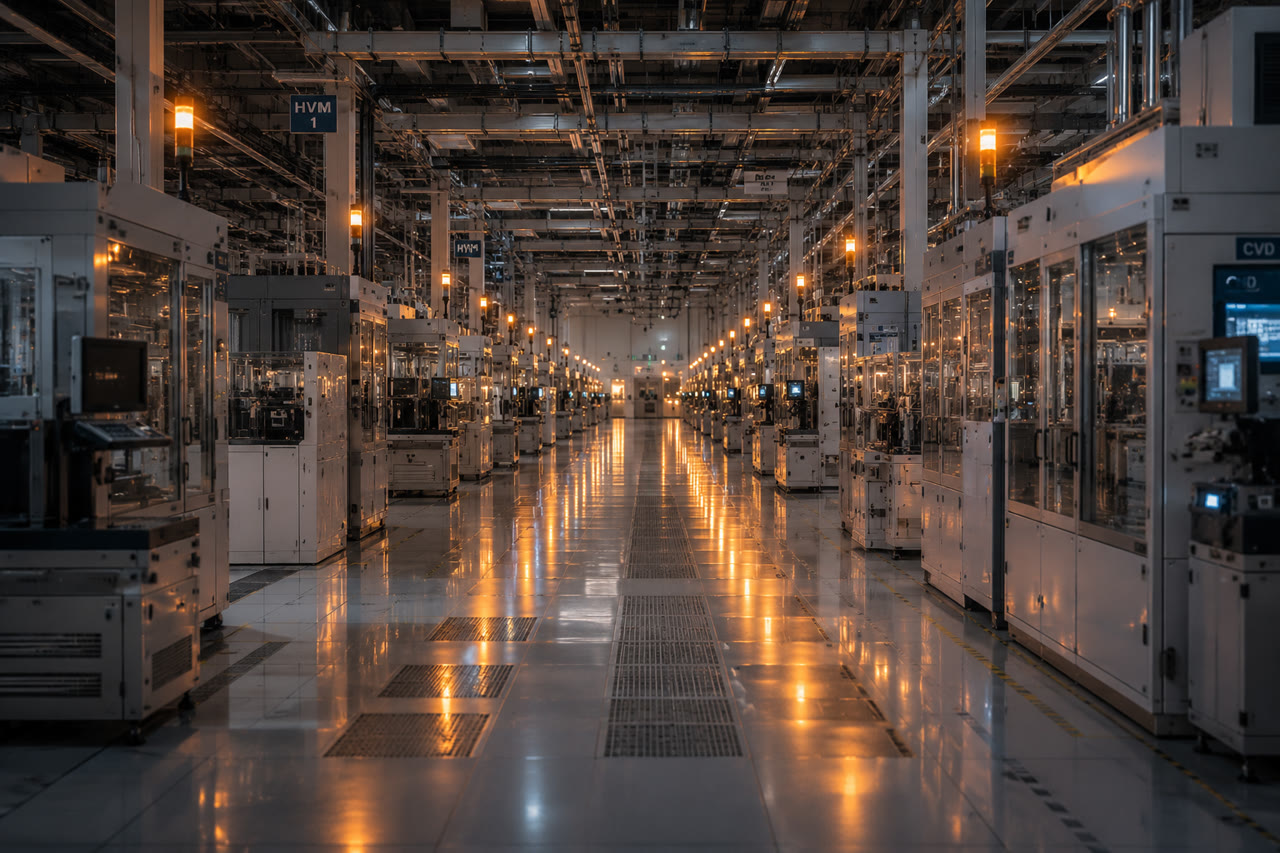
What happened?
Why the talks failed
First, the two sides remain far apart on bonus calculation rules.
The union has pushed for a more transparent system tied to business performance. Management has reportedly preferred a more flexible approach, including possible one-time compensation, rather than a fixed profit-sharing formula.
Second, semiconductors are capital-intensive and cyclical.
A rigid formula could become burdensome during downturns or heavy investment cycles. This is why the dispute is also a debate about how much financial flexibility the company should keep.
Third, one-time payments and institutional reform are different issues.
A special payment can ease near-term tension, but it does not solve the union’s demand for repeatable and predictable rules.

What could happen if the strike goes ahead?
| Risk area | Why it matters | What to watch |
|---|---|---|
| Fab operations | Chip plants are automated, but maintenance and process management still require skilled staff. | Participation rate, affected departments, and shift coverage. |
| Memory supply | Samsung is a major producer of DRAM, NAND, and advanced memory products. | Customer delivery schedules and inventory buffers. |
| HBM narrative | AI-related memory demand makes production reliability more important. | Signals from customers, suppliers, and rival chipmakers. |
| Government and courts | Legal rulings or emergency mediation could change the timing or intensity of industrial action. | Court injunctions, mediation updates, and ministry statements. |
Important note: Large loss estimates reported in the media are scenarios, not confirmed official losses. Actual impact depends on the strike participation rate, duration, affected processes, inventories, and whether additional talks occur before May 21.
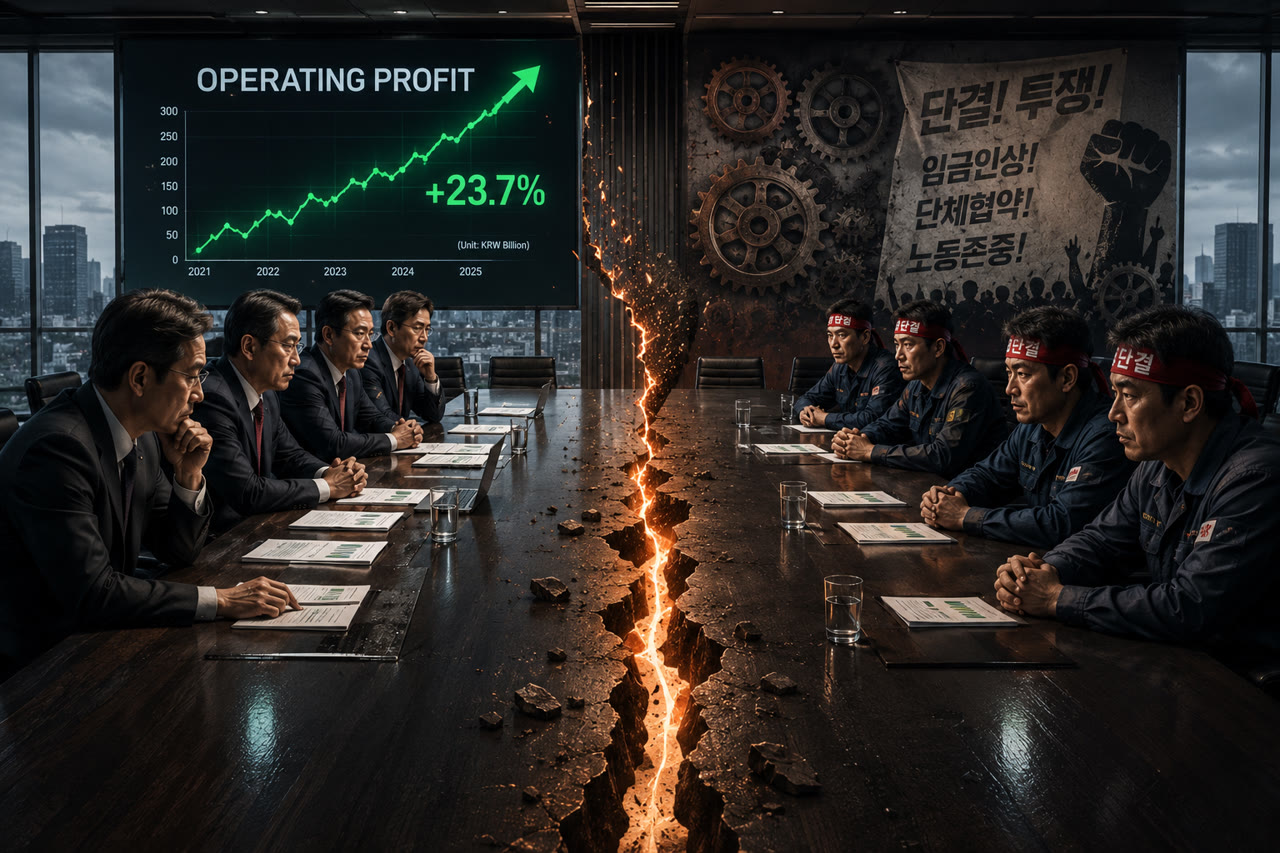
Four scenarios to watch
1. Last-minute talks
A revised offer before May 21 could reduce the chance of a full strike.
2. Strike proceeds
The actual impact would depend on participation and whether key process or maintenance teams are affected.
3. Legal battle expands
Injunctions or court decisions could affect the legal scope and timing of the strike.
4. Government intervention
If the economic impact is considered serious, emergency mediation could become a topic.
Bottom line
Samsung’s labor dispute is not just a wage headline. It connects employee retention, performance-sharing rules, semiconductor competitiveness, and supply-chain confidence. Investors should avoid treating any single estimate as final and should monitor official company statements, union updates, court decisions, and signs of real production disruption.
Related issue check: Follow this story alongside memory-chip prices, HBM demand, Korean policy responses, and Samsung’s official disclosures.