




Blood pressure does not suddenly sound loudly like an alarm from your body. Because there are often no obvious symptoms, strain can build up in your blood vessels, heart, brain, and kidneys even while you feel fine. That is why managing high blood pressure is not something to do only “when you feel sick,” but a daily lifestyle routine to repeat from the moment your numbers begin to rise.
Silent Killer High Blood Pressure Management: 5 Lifestyle Habits to Lower Blood Pressure and a Practical Checklist
High blood pressure is called the “silent killer” because it usually has no clear early symptoms. If blood pressure remains high, the risk of complications such as myocardial infarction, heart failure, stroke, and kidney disease can increase. Even people taking medication must manage their lifestyle at the same time.

High blood pressure is difficult to determine from a single reading. It is diagnosed when the average blood pressure measured repeatedly in a stable state is high, and clinic blood pressure may differ from home blood pressure. If your blood pressure is repeatedly high, do not judge it on your own; consult a healthcare professional to confirm your personal risk and target blood pressure.
Lifestyle improvement can help lower blood pressure, but people already diagnosed with hypertension or those with diabetes, kidney disease, or cardiovascular and cerebrovascular disease should not stop medication through lifestyle measures alone. Medication should be adjusted based on a healthcare professional’s judgment, and diet, exercise, weight control, smoking cessation, and moderate alcohol intake should be understood as the foundation that improves the effectiveness of drug treatment.
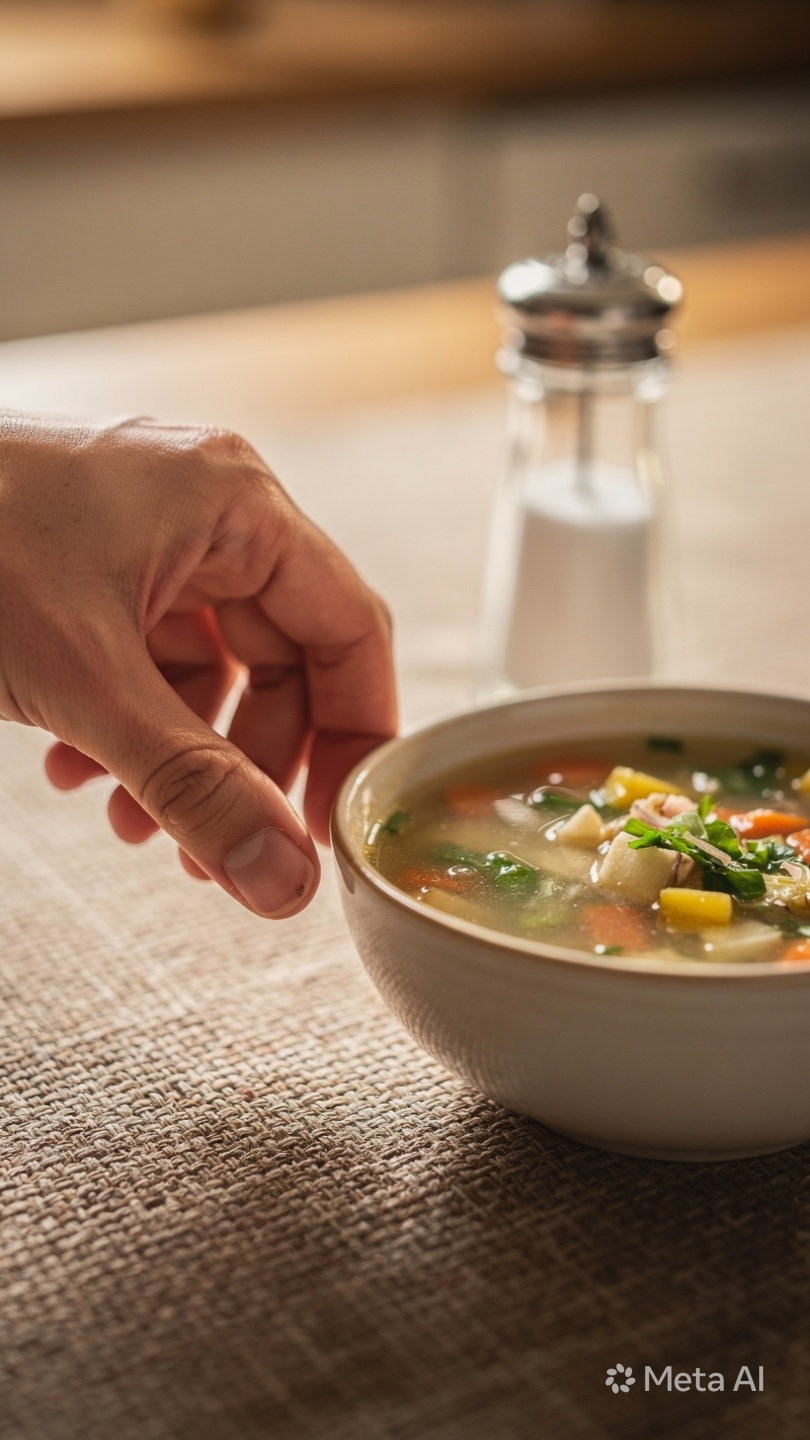
Basic Information About High Blood Pressure
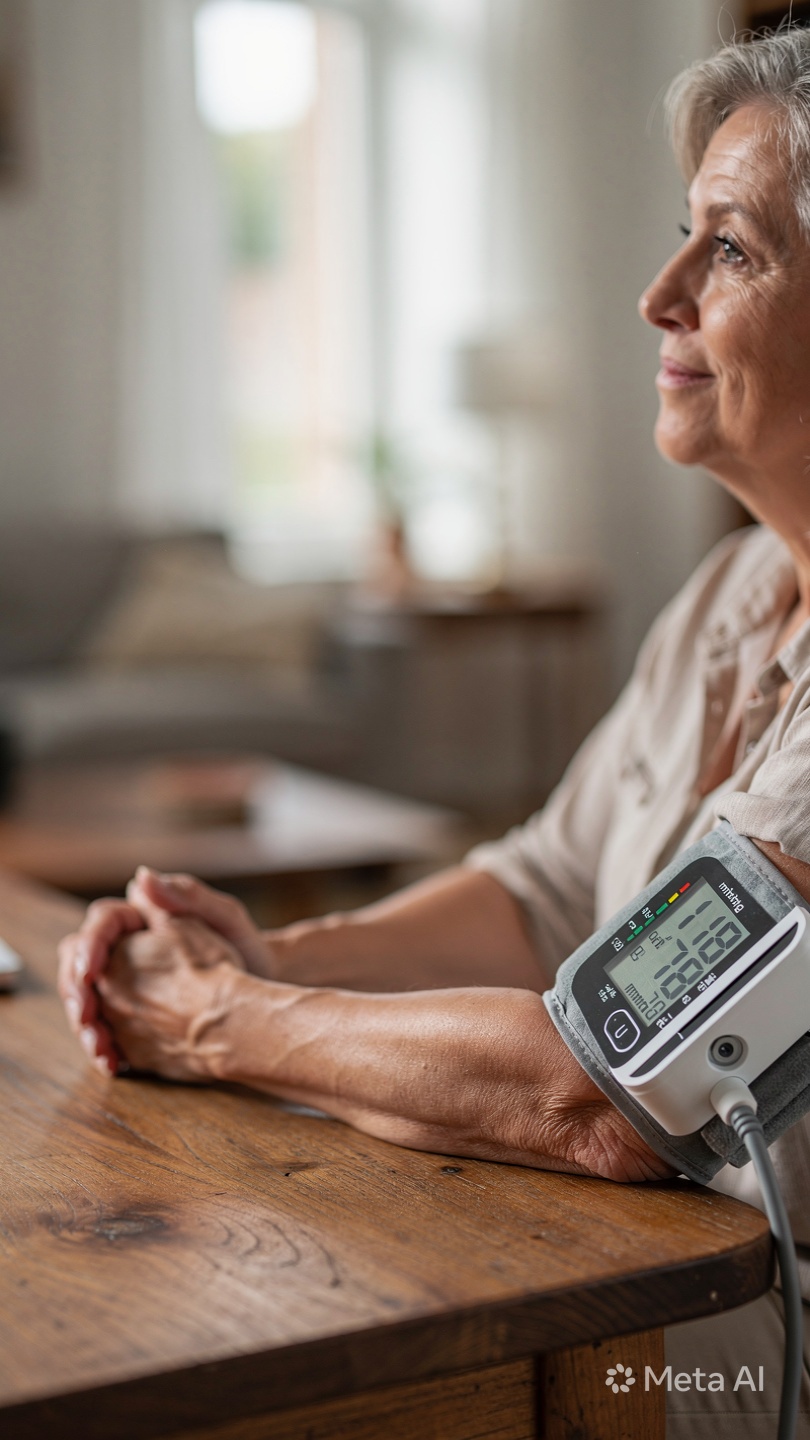
What to Check Before Managing Blood Pressure
If your numbers are very high or you have symptoms, do not rely on lifestyle habits alone.
If your blood pressure is repeatedly around 180/120mmHg, or if chest pain, shortness of breath, one-sided paralysis, slurred speech, severe headache, vision changes, or decreased consciousness occur, emergency medical care may be needed immediately.
If you take medication, do not stop it on your own.
Even if you feel your blood pressure has improved through diet and exercise, suddenly stopping medication can cause blood pressure to rise again. Medication adjustments must always be discussed with your healthcare provider.
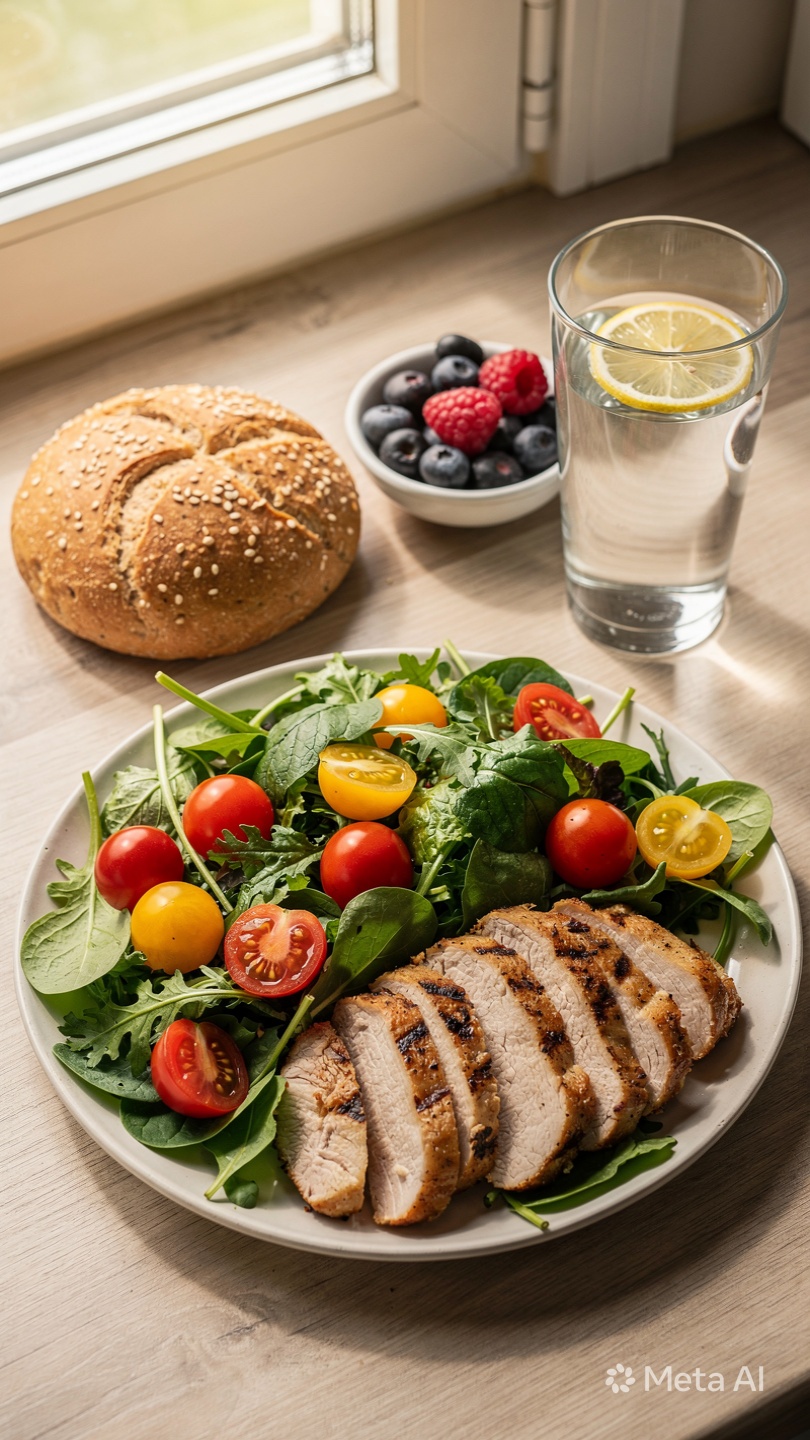
How to Lower Blood Pressure 1. Weight Loss and Abdominal Obesity Management
Body weight and blood pressure are closely connected.
When weight increases, the heart has to work harder to send blood to more tissue. In particular, increased visceral fat in the abdomen can be linked to insulin resistance, inflammation, and sympathetic nervous system activation, making blood pressure management more difficult.
Check your waist circumference as well.
It is better to check waist circumference along with the number on the scale. In Korea, abdominal obesity is generally defined as a waist circumference of 90cm or more for men and 85cm or more for women. If your blood pressure is high, managing waist circumference is especially important.
| Action | Specific method | Caution |
|---|---|---|
| Record weight | Measure weight at the same time of day 1–2 times per week | Look at the 4-week average trend rather than daily fluctuations |
| Measure waist circumference | Measure with a tape measure at navel level | Do not inhale excessively or pull in your stomach |
| Control eating speed | Eat each meal slowly over at least 15 minutes | Eating quickly can easily lead to overeating |
| Reduce late-night snacks | Cut down on late-night ramen, fried chicken, snacks, and alcohol | Late-night snacks tend to be high in both sodium and calories |
How to Lower Blood Pressure 2. Reduce Sodium
Eating a lot of sodium can increase blood volume and raise the pressure placed on blood vessels. In a Korean diet, it is easy to consume a lot of sodium through soups, stews, kimchi, salted seafood, pickled foods, ramen, and processed foods.
Keep broth to half or less
Even if you eat the solid ingredients in soups and stews, it is realistic to eat less of the broth. Simply reducing the habit of finishing an entire bowl of broth can help lower sodium intake.
Reduce processed foods
Ham, sausage, bacon, frozen foods, ramen, instant soups, and sauces may contain a lot of hidden sodium. Build the habit of checking sodium content on nutrition labels.
Dip sauces instead of pouring them
It is easier to reduce intake if you put soy sauce, ssamjang, dressing, and seasoning sauces on the side for dipping rather than pouring them over food.
Use aromatic ingredients
When you reduce salt, food may taste bland at first. Garlic, green onion, onion, pepper, vinegar, lemon juice, red pepper powder, and perilla seed powder can help increase flavor satisfaction.
The goal is a low-sodium diet you can maintain for life.
If you suddenly change every food to a no-salt diet, it is hard to maintain. It is better to start with immediately practical actions, such as leaving ramen broth behind, leaving half the stew broth, or dipping sauces separately.
How to Lower Blood Pressure 3. Regular Aerobic Exercise
Exercise improves heart and blood vessel function and also helps with weight management. For people with high blood pressure, steady aerobic exercise such as brisk walking comes before suddenly lifting heavy weights.
| Type of exercise | Recommended method | Starting tip |
|---|---|---|
| Brisk walking | About 30 minutes a day, 5 days a week | At first, dividing it into three 10-minute sessions is also fine |
| Indoor cycling | 20–30 minutes at an intensity that places little burden on the knees | You should be breathing harder but still able to talk |
| Swimming or water walking | Helpful for people with high joint burden | Avoid excessive breath-holding |
| Light strength training | Repeat low-intensity movements focused on large muscles | Avoid holding your breath while straining |
Check your blood pressure response before and after exercise.
If your usual blood pressure is very high, or if you have heart disease, chest pain, dizziness, or shortness of breath, it is best to consult a healthcare professional before starting exercise. Holding your breath during exercise or suddenly exerting force in high-intensity movements can sharply raise blood pressure for a moment.
How to Lower Blood Pressure 4. DASH Diet and Potassium Intake
The DASH diet is an eating pattern studied for blood pressure management. The key is to increase vegetables, fruits, whole grains, low-fat dairy products, fish, poultry, legumes, and nuts, while reducing saturated fat, processed meats, sugary drinks, snacks, and salty foods.
Foods to increase
Add foods rich in potassium, magnesium, calcium, and dietary fiber to your meals, such as vegetables, fruits, whole grains, legumes, fish, chicken breast, low-fat milk or yogurt, and nuts.
Foods to reduce
Limit how often you eat ramen, ham, sausage, fried foods, snacks, sugary drinks, excessively fatty meats, salty broths, and salted seafood.
The role of potassium
Potassium may help with sodium excretion and blood pressure control. It is relatively abundant in bananas, tomatoes, spinach, potatoes, legumes, fruits, and vegetables.
People with kidney disease need caution
People with chronic kidney disease or reduced kidney function may be at risk if potassium accumulates in the body. In this case, you must consult a healthcare professional before increasing high-potassium foods or supplements.
One-Day Example of the DASH Diet
| Meal | Example menu | Blood pressure management point |
|---|---|---|
| Breakfast | Oatmeal or multigrain rice, boiled egg, tomato, unsweetened yogurt | Reduce refined carbohydrates and sugar while adding protein |
| Lunch | Multigrain rice, grilled fish, seasoned vegetables, vegetable wraps, less broth | Reduce sodium and increase vegetable intake |
| Snack | One serving of fruit, a small amount of nuts | Add dietary fiber and unsaturated fats instead of snacks and sugary drinks |
| Dinner | Chicken breast or tofu, salad, whole grains, a small amount of low-sodium soybean paste soup | Maintain fullness so it does not lead to late-night eating or heavy drinking |
How to Lower Blood Pressure 5. Quit Smoking and Limit Alcohol
Smoking constricts blood vessels and increases cardiovascular risk.
Nicotine in cigarettes can stimulate the sympathetic nervous system and raise blood pressure and pulse. Quitting smoking is close to essential, not only to lower blood pressure numbers but also to reduce the risk of myocardial infarction and stroke.
Even small amounts of alcohol can be unfavorable for blood pressure management if repeated.
Alcohol can raise blood pressure and may interfere with the effects of some hypertension medications and the flow of lifestyle management. On drinking days, sodium and calories also tend to increase through side dishes and snacks.
The best standard is to reduce alcohol as much as possible.
If you have high blood pressure or are taking medication, it is best to decide your alcohol intake in consultation with a healthcare professional. If your blood pressure rises or palpitations occur after drinking, prioritizing abstinence should be considered.
Why Home Blood Pressure Records Matter
High blood pressure is difficult to manage based only on a single reading at the hospital. Blood pressure may be high in the clinic because of nervousness, known as white-coat hypertension, or it may be normal at the hospital but high at home, known as masked hypertension. For this reason, home blood pressure records become important data for medical visits and medication adjustments.
In the morning, measure within 1 hour after waking, after urinating, and before breakfast and medication, while in a stable state. In the evening, measure in a stable state before going to bed. Before measuring, sit and rest for about 5 minutes, and avoid measuring immediately after caffeine, smoking, or exercise.
- Keep your elbow and heart at the same height.
- Lean your back against the chair and place the soles of your feet on the floor.
- Wrap the cuff over bare skin.
- Do not talk during measurement.
- Measure twice at 1–2 minute intervals and record the average.
- Write down the date, time, medication use, exercise, and alcohol intake along with the numbers.
Practical Checklist for the 5 Lifestyle Rules
| Lifestyle rule | What to do today | 1-month goal |
|---|---|---|
| Weight and waist management | Record weight and waist circumference | Reduce late-night snacks and sugary drinks, and check changes once a week |
| Reduce sodium | Leave half the broth | Reduce how often you eat ramen and processed foods |
| Exercise | Brisk walk for 10 minutes | Increase to walking 30 minutes a day, 5 days a week |
| DASH diet | Add one vegetable side dish | Build each meal with vegetables, protein, and whole grains |
| Quit smoking and limit alcohol | Record smoking and alcohol intake | Increase smoking-cessation counseling or alcohol-free days |
Frequently Asked Questions
Q. Can I stop blood pressure medication if I only change my lifestyle?
A. It depends on the person. Lifestyle improvement can improve blood pressure, but if you have already been diagnosed with hypertension or have a high cardiovascular or cerebrovascular risk, medication may be needed. Stopping medication must always be discussed with your doctor.
Q. Is it okay if I have high blood pressure but no symptoms?
A. It is hard to say it is okay. Even if hypertension causes almost no symptoms, if it continues for a long time, it can damage the heart, brain, kidneys, and eyes. Measured numbers and risk assessment are more important than symptoms.
Q. What is the first thing I should do to lower blood pressure?
A. It is best to start by measuring and recording home blood pressure accurately. At the same time, begin immediately practical actions such as reducing broth, brisk walking, and recording weight and waist circumference.
Q. Is eating a lot of potassium-rich foods always good?
A. No. Potassium may help with blood pressure management, but people with reduced kidney function are at risk of hyperkalemia. If you have chronic kidney disease or another kidney condition, consult a healthcare professional.
Q. Should I avoid strength training?
A. Exercise that involves lifting heavy weights while holding your breath can raise blood pressure suddenly. However, low-intensity strength training can help, so it is best to start within a safe range when blood pressure is stable.
Q. If I am in the prehypertension stage, do I need medication?
A. It depends on your blood pressure numbers, age, diabetes, kidney disease, and cardiovascular disease risk. Even in the prehypertension stage, lifestyle improvement is essential, and whether medication is needed should be decided after consulting a healthcare professional.
Conclusion
For high blood pressure management, it is more important to build daily habits you can repeat than to look for a special method that dramatically lowers blood pressure in a short time. Reducing weight and waist circumference, lowering sodium intake, consistently doing aerobic exercise such as brisk walking, and practicing the DASH diet can greatly change the foundation of blood pressure management.
When smoking cessation, moderate alcohol intake, and home blood pressure records are added, you can explain your condition more accurately during medical visits. Blood pressure is a condition managed by numbers, not symptoms. Starting today, record your morning and evening blood pressure, leave one spoonful of broth behind, and begin with even 10 minutes of walking.
Medical Information Notice
This article is a health information post summarizing lifestyle management for high blood pressure. Personal target blood pressure, whether medication is needed, and dietary restrictions may vary depending on age, accompanying diseases, kidney function, and cardiovascular or cerebrovascular risk. If your blood pressure is repeatedly high or you are taking medication, be sure to consult a healthcare professional.