




Culture and legal issue briefing
Lee Seung-hwan Gumi Concert Cancellation Ruling: Court Orders 125 Million Won in Damages
Buying a concert ticket is not only a small transaction. Fans reserve time, make plans, and wait for the day of the performance. That is why a sudden venue cancellation two days before a scheduled show can raise questions beyond a simple refund.
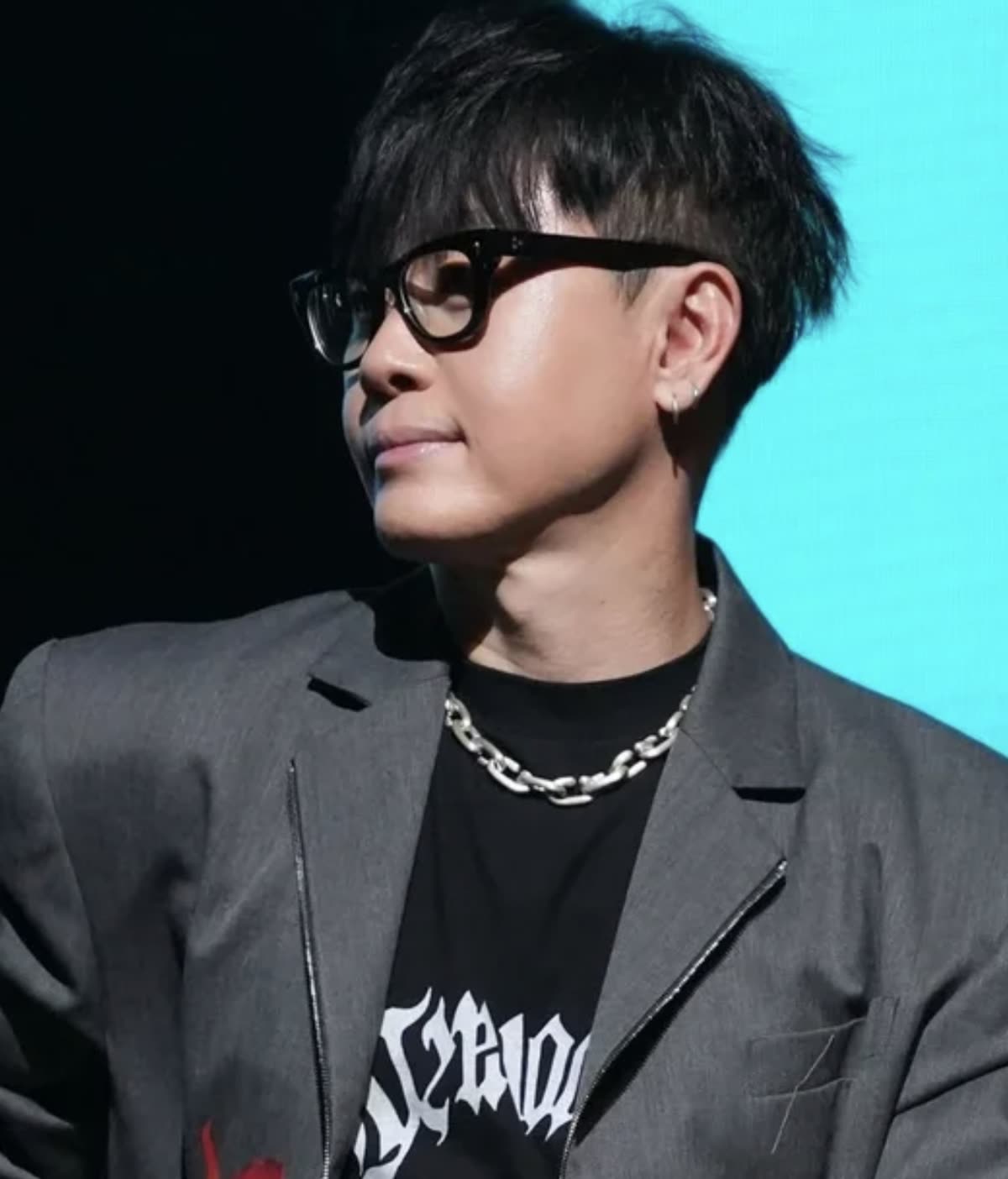
On May 8, 2026, a first-instance Korean court recognized Gumi City’s civil liability over the cancellation of singer Lee Seung-hwan’s Gumi concert. The court ordered the city to pay a total of 125 million won to Lee Seung-hwan, his agency Dream Factory Club, and 100 ticket holders.
Basic facts of the case
- Scheduled concert date: December 25, 2024.
- Venue: Gumi Culture and Arts Center.
- Cancellation timing: December 23, 2024, two days before the concert.
- Plaintiffs: Lee Seung-hwan, Dream Factory Club, and 100 ticket holders.
- Defendants: Gumi City and Gumi Mayor Kim Jang-ho.
- First-instance result: Gumi City was ordered to pay 125 million won in damages.
Why the dispute began
Lee Seung-hwan was scheduled to hold a 35th-anniversary concert titled “Heaven” in Gumi. Before the concert, controversy arose over political remarks he had made at another performance, and some local civic groups reportedly announced opposition rallies.
Gumi City reportedly asked Lee’s side to submit a pledge not to make political or misleading remarks. Lee’s side refused, and the city then cancelled the venue reservation, citing public and audience safety concerns.
Damages recognized by the court
- Lee Seung-hwan: 35 million won.
- Dream Factory Club: 75 million won.
- 100 ticket holders: 150,000 won each, totaling 15 million won.
- Total: 125 million won.

Main legal issues
The first issue is whether safety concerns justified cancelling the venue reservation two days before the concert. The second is whether requiring a pledge about political expression was a legitimate administrative measure. The third is whether ticket holders can receive compensation for losing the opportunity to attend a scheduled performance.
Constitutional complaint and civil damages are different
Lee’s side previously filed a constitutional complaint over the pledge request, but the Constitutional Court dismissed it at the preliminary review stage. A dismissal at that stage does not necessarily mean the city’s action was substantively justified. The later civil ruling addressed damages and liability in a different legal framework.
What happens next?
This ruling is not final. Lee Seung-hwan’s side has indicated an intention to appeal, especially regarding the mayor’s personal responsibility. The scope of liability and the final damages amount may therefore be reviewed again on appeal.
Practical takeaway
The case shows that when a public venue cancels a performance, the decision can be judged not only by safety concerns but also by timing, procedure, contractual reliance, audience expectations, and the protection of artistic expression. If you track court dates or related news, a schedule planner and a document organizer can help keep records organized.
#LeeSeungHwan #GumiConcert #ConcertCancellation #Damages #KoreanCulture #LegalIssue #FreedomOfExpression #KPopNews