




If you look for a pre-workout booster, L-arginine is one of the ingredients you will see often. It is discussed for muscle pump, fatigue management, circulation, and men's wellness, but it should be understood as an amino acid related to nitric oxide production, blood-vessel dilation, and ammonia metabolism rather than a guaranteed instant-energy supplement.
L-Arginine Benefits and Side Effects
What to Check Before Taking It
L-arginine is an amino acid and a precursor for nitric oxide. It has a clear biological connection to blood-flow regulation, but exercise performance and fatigue benefits can vary by person, dose, timing, diet, sleep, and training status.
L-arginine is made in the body to some degree. During growth, recovery, illness, surgery, strong stress, or inflammation, the body's demand may increase, so it is often described as a conditionally essential amino acid.
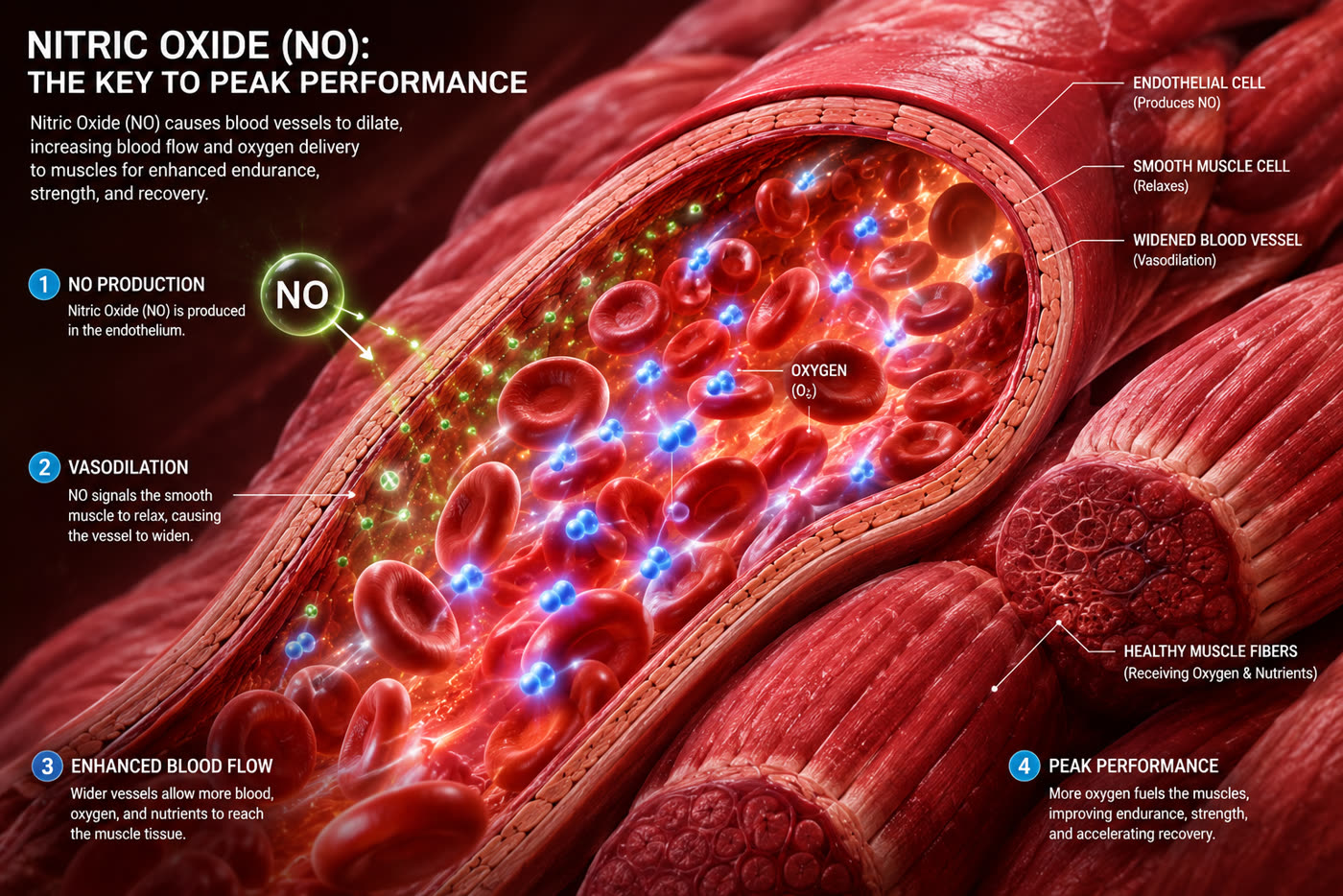
The main reason arginine attracts attention is its relationship with nitric oxide. Nitric oxide helps blood vessels relax and is involved in blood-flow control, which is why arginine is commonly connected with circulation, exercise pump, and vascular health topics.
The important point is to separate possibility from guaranteed effect. Some people feel better exercise pump, but it does not work the same way for everyone and should not be presented as a cure or a muscle-growth guarantee.
Basic Information
Three Main Potential Benefits
Blood-vessel dilation
Arginine can be used as a nitric oxide precursor. Nitric oxide is involved in vascular relaxation, so it has been studied in relation to blood flow and blood-pressure regulation.
Workout pump support
When used before training, some people expect better pump from increased blood flow. However, results depend on training type, dose, and individual response.
Urea cycle and ammonia metabolism
Arginine is linked with the urea cycle, which helps convert ammonia into urea. This is sometimes discussed with fatigue, but it should not be framed as a fatigue cure.
Men's vitality interest
Because of the nitric oxide pathway, arginine is often mentioned in men's wellness. Do not combine it casually with ED medications because blood pressure may drop too much.
Exercise Performance: Realistic View
First, the mechanism is clear but the feeling varies. Arginine is connected to nitric oxide, but real performance is affected by sleep, hydration, training level, nutrition, and stimulant sensitivity.
Second, it does not guarantee muscle growth. Muscle growth depends on total protein, resistance training, recovery, and calorie intake.
Third, citrulline is often paired with it. Citrulline products are common because they are also used for nitric oxide pathways. Product formulas and stomach tolerance should be checked instead of simply raising the dose.
Timing and How to Take It
| Goal | Timing | Practical point |
|---|---|---|
| Workout pump | 60–90 minutes before training | Often taken away from a full meal. |
| Blood-flow or vitality support | Morning or between meals | Start low if your stomach is sensitive. |
| Reduce digestive burden | Smaller divided doses | High single doses can increase nausea, gas, or diarrhea. |
| Citrulline blend | Follow the label | Check the exact amount and formula first. |
Dosage tip: Healthy adults often start with a lower amount and check tolerance. Follow the product label and your own response, especially if digestive symptoms appear.
Foods Rich in Arginine
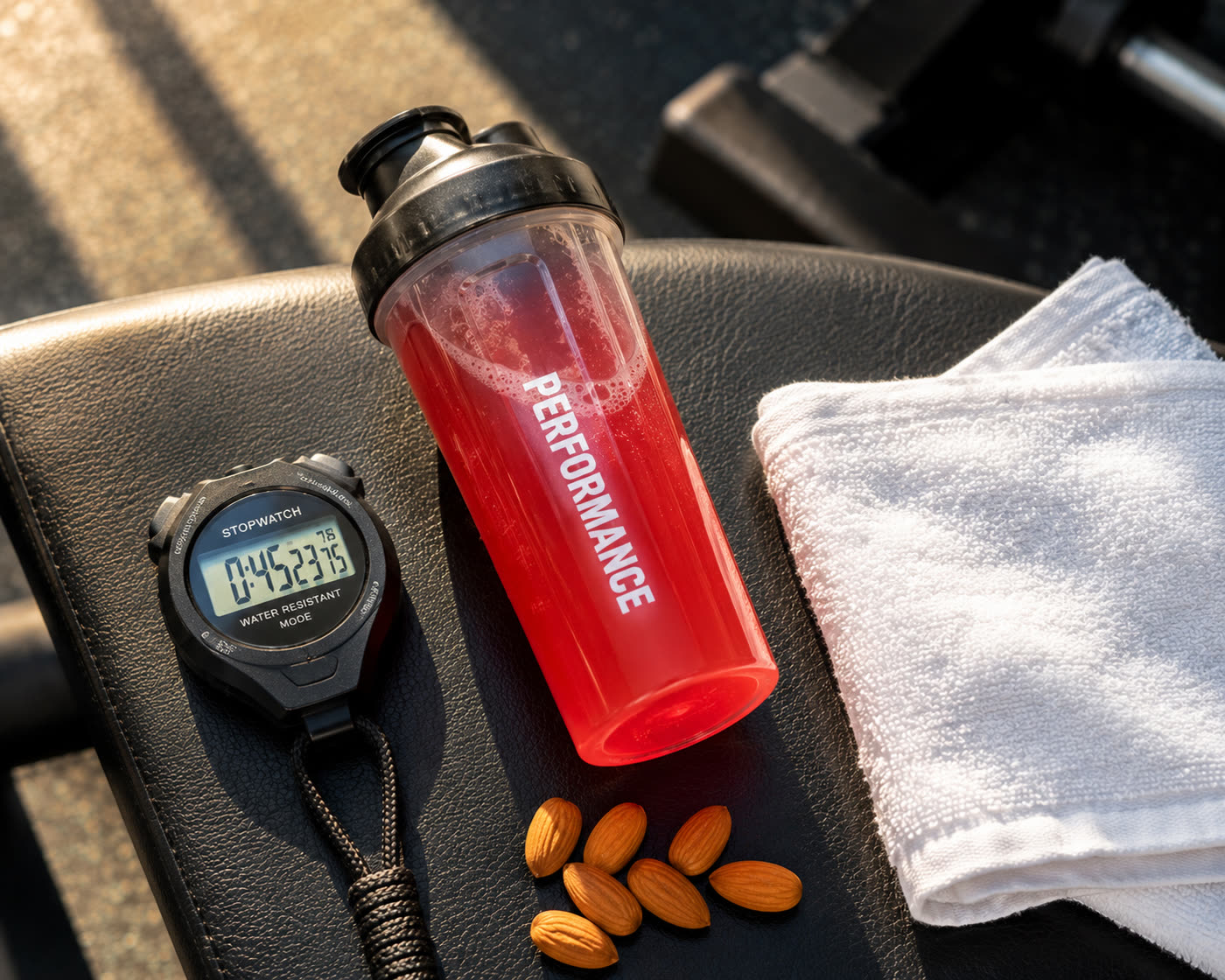
Arginine is found in many protein foods, not only supplements. Meat, fish, soy foods, dairy, nuts, and seeds can all contribute to intake.
| Food group | Examples | How to use |
|---|---|---|
| Meat and poultry | Chicken breast, lean beef, pork tenderloin | Useful as post-workout protein meals. |
| Fish and seafood | Salmon, tuna, mackerel, shrimp | Provides protein and fats together. |
| Soy and legumes | Tofu, soybeans, lentils, chickpeas, soy milk | Good for plant-based protein. |
| Nuts and seeds | Peanuts, almonds, walnuts, pumpkin seeds | Useful snacks, but calories add up quickly. |
Side Effects and Cautions
Digestive upset is common. A high dose may cause nausea, abdominal pain, bloating, or diarrhea.
Low blood pressure needs caution. Because arginine can affect blood-vessel dilation, people with low blood pressure or dizziness during exercise should be careful.
Medication interactions matter. Blood-pressure drugs, nitrate medications, ED medications, anticoagulants, antiplatelet drugs, and diabetes medications require professional advice before use.
Checklist Before Choosing Arginine
- Define your goal first.
Workout pump, blood-flow support, and fatigue management are different goals. - Check your medications.
Ask a clinician if you use cardiovascular, ED, diabetes, or blood-thinning medications. - Check your empty-stomach response.
Some people tolerate it well; others feel stomach discomfort. - Do not start with a high dose.
Increase only if needed and tolerated. - Evaluate the whole workout routine.
Sleep, hydration, carbohydrates, and training intensity matter more than one supplement.
Realistic conclusion: L-arginine can be used as a supplement targeting nitric oxide and blood flow, but it is not a cure for chronic fatigue or a guarantee of muscle growth.
FAQ
Q. Should arginine be taken on an empty stomach?
A. It is often taken on an empty stomach or between meals, especially for workout use.
Q. When should I take it before exercise?
A. Many people use it about 60–90 minutes before training, but tolerance varies.
Q. Can I take it every day?
A. Healthy adults may tolerate label-range use, but people with medical conditions or medications should ask a professional first.
Final Thoughts
L-arginine is popular among people interested in exercise and vitality, but it is best seen as a supporting option within a broader routine of nutrition, sleep, hydration, and training.
This post contains affiliate links. As part of affiliate activity, I may receive a small commission if a purchase is made, at no extra cost to you.