




How to Prevent Type 2 Diabetes: Exercise and Lifestyle Habits That Lower Risk
Type 2 diabetes often develops slowly after years of small daily habits. Weight gain, long sitting hours, irregular meals, late-night snacks, sweet drinks, and too little movement can all make blood sugar harder to control.

The positive side is that diabetes risk can also be lowered through lifestyle changes. If a checkup has shown impaired fasting glucose or prediabetes, the habits you build now can delay or reduce future risk.
Why prevention matters before symptoms appear
Type 2 diabetes may have almost no symptoms in the early stage. Some people only get tested after thirst, frequent urination, or fatigue becomes obvious, but blood sugar may already have been high for a long time by then.
Prediabetes is not just a borderline number. It means the risk of diabetes and cardiovascular disease is already higher, so early action matters.
Six practical habits that help prevent diabetes
- Move at least 150 minutes per week with moderate exercise such as brisk walking.
- If overweight, aim for a realistic 5 to 7 percent weight reduction rather than a harsh short-term diet.
- Break up long sitting time by standing, walking, or stretching once every hour.
- Keep meals regular and reduce overeating, late-night eating, sweet drinks, and frequent delivery foods.
- Build a plate around vegetables, protein, and moderate carbohydrates instead of refined carbs alone.
- Sleep regularly and manage stress because poor sleep can also disturb glucose control.
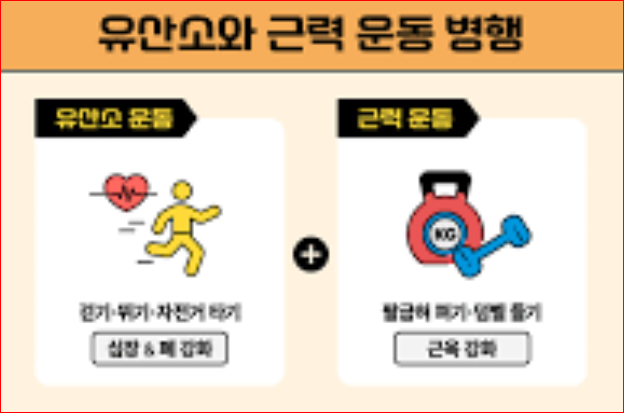
Exercise is not only for weight loss
Exercise helps muscles use glucose more efficiently and can improve insulin resistance. A walk after meals is especially useful because it can soften the post-meal blood sugar spike.
The best plan is the one you can repeat. Walking, cycling, light strength training, stair climbing, or home stretching can all be useful when they become part of a weekly routine.
Small food changes are easier to continue
Diabetes prevention does not require a perfect diet. Start by reducing sugary drinks, choosing whole grains more often, eating vegetables first, and keeping late-night snacks under control.
These small changes are easier to maintain than extreme restrictions, and they are often enough to improve the direction of blood sugar management.
When to get medical advice
If fasting blood sugar, HbA1c, weight, blood pressure, or cholesterol is already outside the normal range, it is safer to discuss a plan with a clinic. Medication, kidney function, and other conditions can change the right diet and exercise strategy.
#DiabetesPrevention #Type2Diabetes #BloodSugar #Exercise #Prediabetes #HealthyHabits
이 글은 제휴활동의 일환으로, 구매가 발생할 경우 일정액의 수수료를 제공받을 수 있습니다.