




Health issue briefing
Hantavirus in Korea: Current Situation, Prevention Rules, and the Cruise-Ship Cluster Explained
As of May 2026, international attention has focused on reports of a hantavirus cluster linked to a cruise ship. For Korean readers, however, the more practical issue is still hemorrhagic fever with renal syndrome, or HFRS, which is associated with rodent exposure in outdoor and agricultural environments.
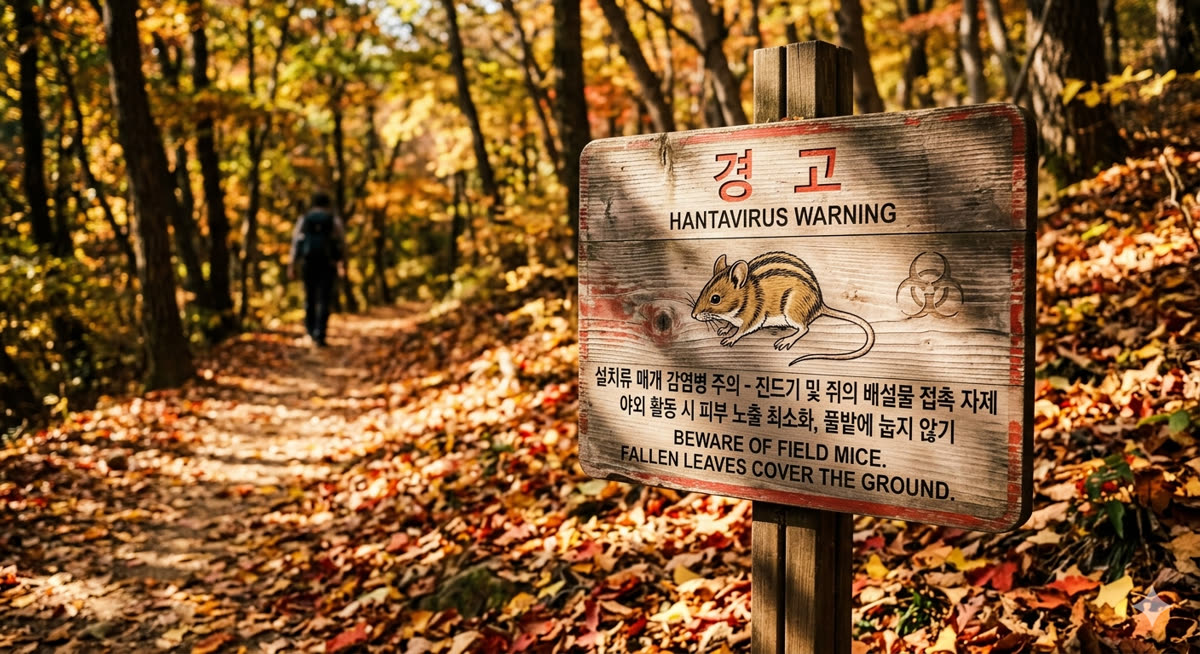
Hantavirus is not one single illness with one fixed pattern. It is a broad group of viruses, and the clinical picture can differ by region and virus type. In Korea, the main concern is HFRS, which can affect blood vessels and kidney function. In parts of the Americas, hantavirus pulmonary syndrome can progress rapidly with severe respiratory and cardiopulmonary symptoms.
Key summary
- WHO reported a cruise-ship-related hantavirus cluster as of May 4, 2026, with confirmed and suspected cases under investigation.
- Korea is mainly concerned with HFRS caused by viruses such as Hantaan virus and Seoul virus.
- Risk is linked to exposure to infected rodents, their urine, droppings, saliva, or contaminated dust.
- People doing farming, military activity, cleaning of enclosed spaces, or frequent outdoor activity should be especially careful.
Cruise-ship issue: why it matters but should be separated
The cruise-ship reports gained attention because some cases involved severe respiratory disease. That does not mean Korea is facing the same pattern. The important point is to separate overseas pulmonary-syndrome reports from Korea’s usual HFRS prevention framework, so public concern does not turn into unnecessary fear.
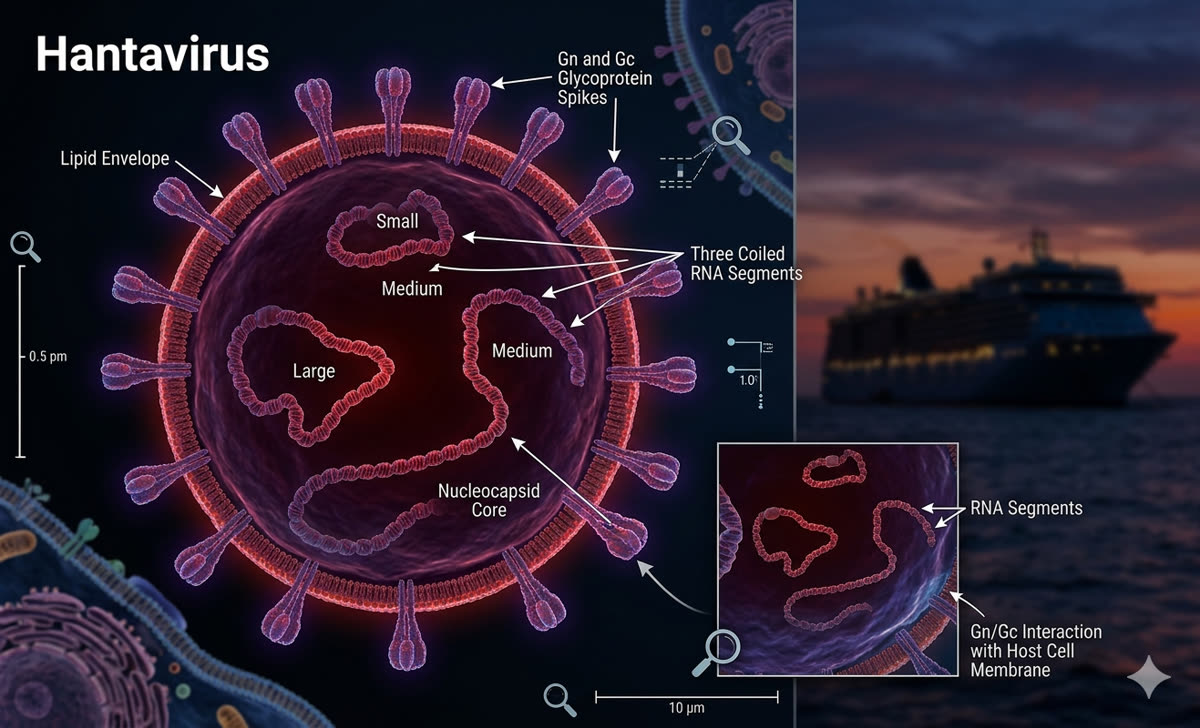
How infection can happen
People can be exposed when dried rodent urine, feces, or saliva becomes airborne and is inhaled. Exposure can also happen through contaminated spaces, wounds, or mucous membranes. Cabins, storage rooms, barns, basements, and old houses should be ventilated first before cleaning.
Symptoms to watch after outdoor exposure
Early symptoms may resemble a severe cold or flu: high fever, chills, headache, muscle pain, nausea, and fatigue. With HFRS, kidney-related symptoms, abdominal pain, low blood pressure, or bleeding tendencies can appear as the illness progresses. If symptoms develop one to five weeks after possible rodent exposure, medical care should not be delayed.
Prevention rules for everyday life
- Avoid direct contact with rodents, nests, droppings, or dead animals.
- Ventilate closed spaces before cleaning.
- Spray water or disinfectant before removing rodent droppings so dust does not scatter.
- Wear work gloves and protective masks during risky cleaning work.
- During outdoor activities, wear long sleeves, long pants, boots, and gloves to reduce skin exposure.
- Wash clothes and shower after returning from fields, forests, or other high-risk areas.
Vaccination and treatment
In Korea, vaccination may be recommended only for selected high-risk adults, such as those with repeated occupational exposure. It is not a general seasonal shot for everyone. Treatment is mainly supportive and depends on early recognition, monitoring, and management of complications.
FAQ
Is every hantavirus the same?
No. Different hantaviruses can cause different disease patterns depending on region and virus type.
What matters most in Korea?
For Korea, the main public-health focus is HFRS prevention after rodent-related exposure.
Should I be afraid of normal outdoor activity?
No. The better approach is practical prevention: avoid rodent-contaminated dust, ventilate before cleaning, and use protective gear when needed.
When should I see a doctor?
If high fever, severe muscle pain, headache, abdominal symptoms, or unusual weakness appears after possible rodent exposure, seek medical advice promptly.
Final note
Hantavirus prevention is less about panic and more about exposure control. Know the difference between overseas pulmonary-syndrome reports and Korea’s HFRS risk, then follow basic cleaning, ventilation, and outdoor-activity precautions.
#Hantavirus #HFRS #KoreaHealth #RodentBorneDisease #OutdoorSafety #InfectionPrevention #HealthInfo