




Early Diabetes Eye Symptoms: Blurred Vision and Vision Loss Warning Signs
Blurred vision, sudden changes in glasses prescription, eye fatigue, or floaters can be connected to blood-sugar changes. Diabetes can damage tiny blood vessels in the retina, and diabetic retinopathy is especially dangerous because it may progress quietly before obvious symptoms appear.
 blood sugar affects the eyes" style="max-width:100%;height:auto;"/>
Why diabetes affects the eyes
Persistently high blood sugar can damage the fine blood vessels inside the eye. The lens can also respond to blood-sugar swings, causing temporary refractive changes. When retinal blood vessels are damaged, diabetic retinopathy may develop and can threaten vision if it is not found early.
The most important point is that early diabetic retinopathy may have no symptoms. That is why an eye exam matters even when vision still feels normal.
Eye symptoms to check
- Vision looks cloudy or foggy
- Glasses no longer seem to fit, even after changing the prescription
- Frequent eye fatigue or redness
- Vision feels dimmer in bright places
- Dots, threads, or floating spots appear in front of the eyes
- It takes longer to adjust between bright and dark places
- Part of the visual field feels dark or blocked
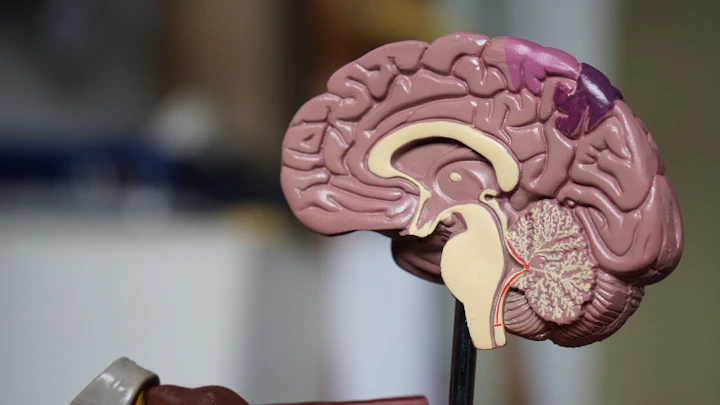
Diabetic eye complications
Diabetes may be related to diabetic retinopathy, diabetic cataracts, glaucoma, and temporary vision changes caused by blood-sugar fluctuation. Retinopathy is the most urgent concern because it can damage the retina and may lead to severe vision loss.
If symptoms have already appeared, the condition may be more advanced than expected. People diagnosed with diabetes should receive an eye exam soon after diagnosis and continue regular follow-up.
How to protect eye health
Keeping blood sugar stable is the foundation. Blood pressure and cholesterol control also matter because eye blood vessels are affected by overall vascular health. Avoid smoking, wear sunglasses in strong sunlight, and take screen breaks to reduce unnecessary eye strain.
Do not keep changing glasses repeatedly without checking the cause. If blood sugar is unstable, vision can fluctuate, so an eye exam and blood-sugar check are safer than guessing.
When to see an eye doctor quickly
Seek medical care quickly if vision suddenly becomes blurry, floaters increase, a dark curtain-like area appears, eye pain occurs, or vision decreases rapidly. These symptoms should not be delayed, especially for anyone with known diabetes or high blood-sugar risk.
Regular checks can find problems before they become irreversible. Early treatment is far easier than trying to recover vision after serious retinal damage.

Final checklist
Blurred vision is not always simple eye fatigue. If it appears with thirst, frequent urination, fatigue, slow wound healing, or numbness, diabetes should be considered as one possible cause. Confirming the cause early protects both blood-sugar control and vision.
#Diabetes #DiabeticRetinopathy #EyeHealth #BlurredVision #BloodSugar
이 글은 제휴활동의 일환으로, 구매가 발생할 경우 일정액의 수수료를 제공받을 수 있습니다.