




Crispy and Fragrant Buchujeon Recipe: The Secret to Korean Chive Pancakes
When buchujeon has too much batter, the fragrance of the chives gets buried, and if the pan temperature is too low, the center quickly turns soggy. The key to delicious buchujeon is not coating the chives in a thick layer of batter, but lightly binding them with just enough batter to hold together, then pan-frying them over medium-high heat as if shallow-frying.
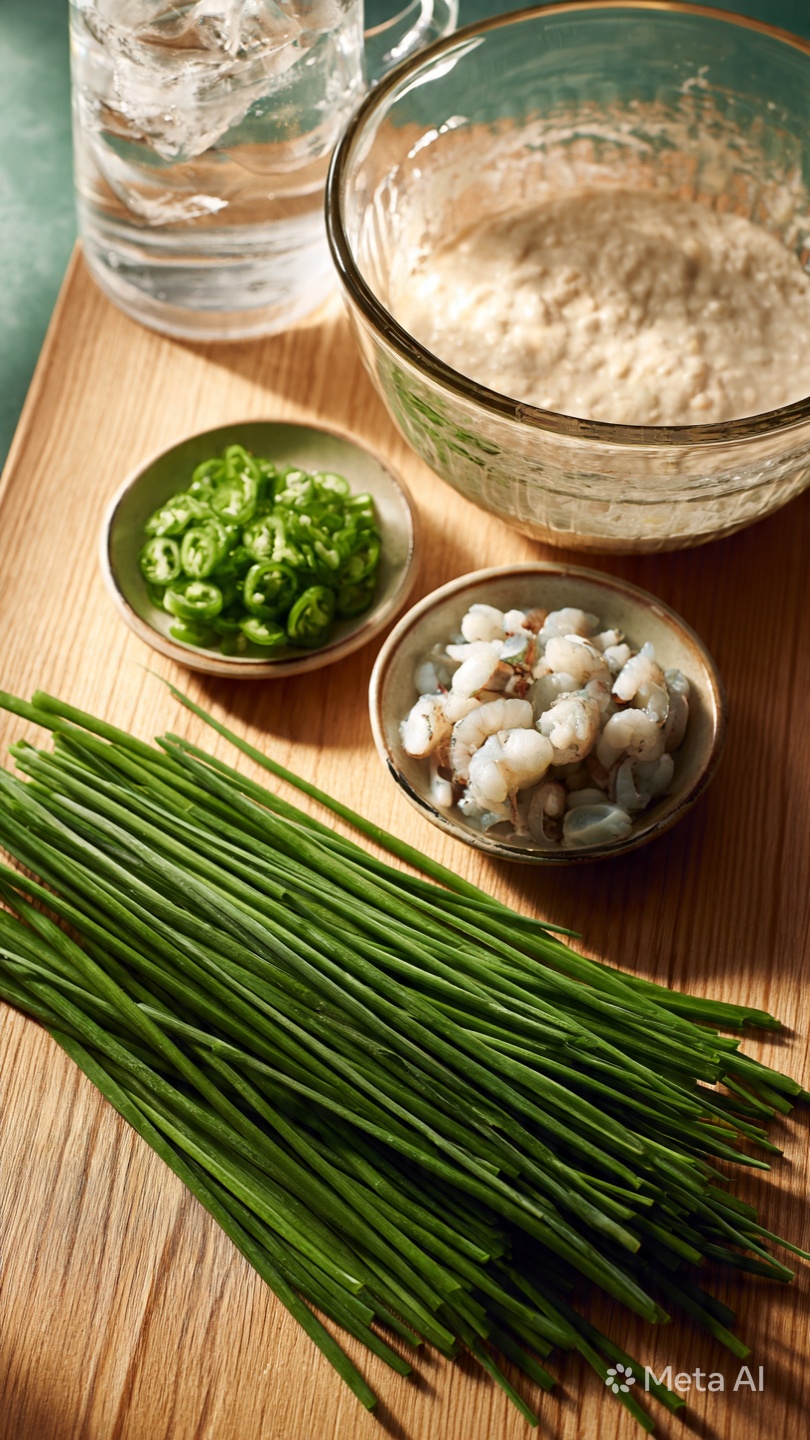
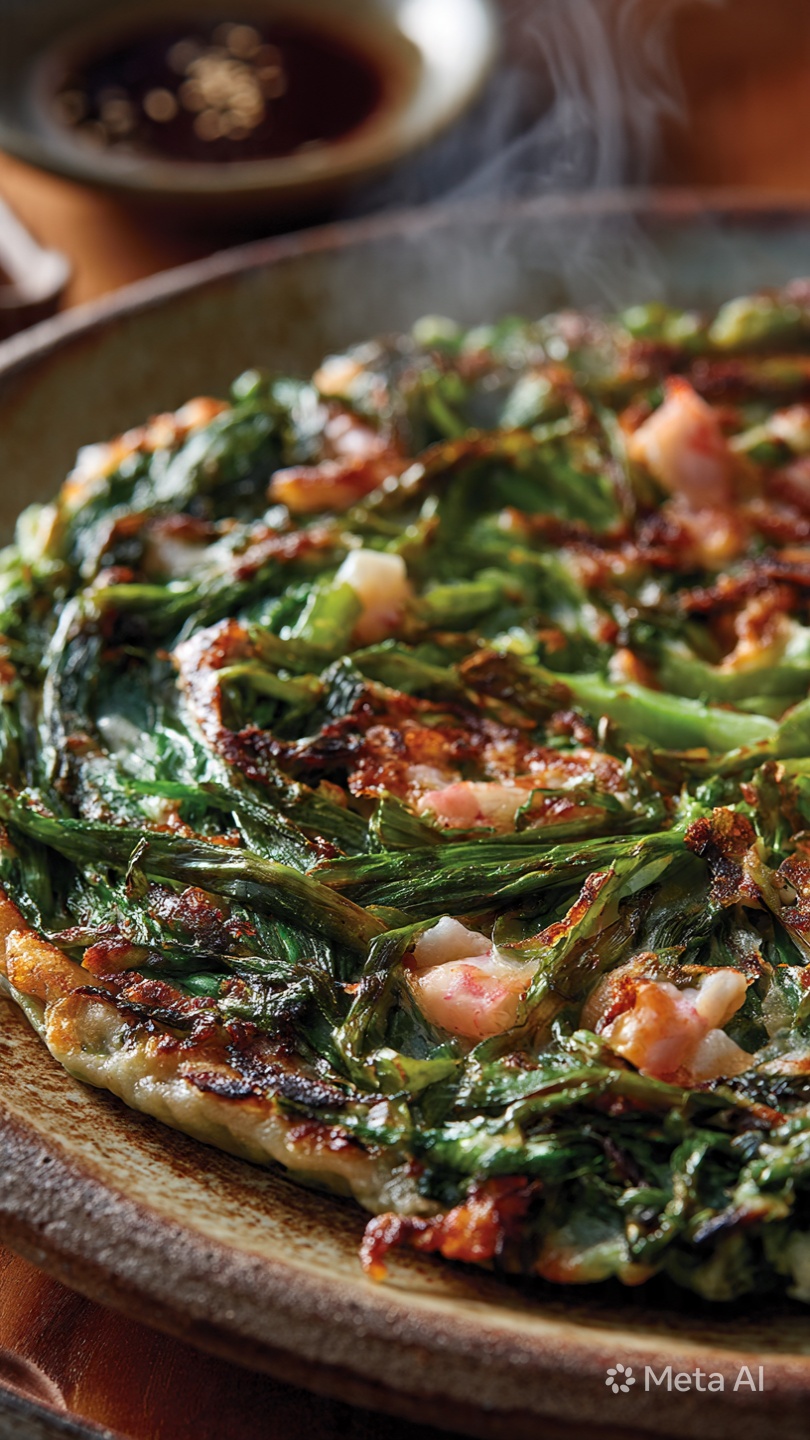
On rainy days, buchujeon is just as comforting and crave-worthy as kimchi jeon. The fresh aroma of chives, the heat of Cheongyang chili peppers, and the savory depth of seafood can create the nutty, satisfying flavor of a Korean pancake shop with only simple ingredients. But when made at home, it often turns out crispy only around the edges while the center stays damp and heavy.
The difference comes down to the amount of batter, the temperature of the water, how well the pan is preheated, and how much oil is used. Buchujeon is not meant to be thick; it should be spread thin so moisture can evaporate quickly. The most reliable method is to use both Korean pancake mix and frying mix, make the batter cold with ice water, preheat the pan thoroughly, and cook it in a generous amount of oil.
Basic Information
| Dish Name | Buchujeon, Korean chive pancake, seafood buchujeon |
|---|---|
| Yield | 2 to 3 medium pancakes |
| Cooking Time | About 20 minutes |
| Difficulty | Easy |
| Key Points | Remove moisture from the chives, use minimal batter, use ice water, cook over medium-high heat, and use enough oil |
Quick Summary
For 150 g of chives, prepare 1 cup Korean pancake mix, 1 cup frying mix, and 1.5 to 2 cups ice water to make about 2 to 3 pancakes. However, because buchujeon depends more on the aroma and texture of the vegetables than kimchi jeon does, it is best not to coat the chives with too much batter. Mix the batter lightly, gently toss in the chives so they do not wilt, then spread everything as thinly as possible in the pan and cook as if shallow-frying. This will help keep even the center crisp.
Ingredients
Golden Ratio for Buchujeon Batter
1 cup Korean pancake mix + 1 cup frying mix + 1.5 to 2 cups ice water
When making a crispy Korean pancake, using only pancake mix is convenient for seasoning, but the texture can feel a little heavy. Mixing in frying mix helps the edges become crispier and makes the whole pancake cook up lighter.
The water should be very cold. Ice water or very cold water lowers the batter temperature, helping the surface set quickly when it hits the hot pan and creating a crisp texture. There is no need to stir the batter for a long time until it becomes perfectly smooth. Mix only until the flour is roughly hydrated to reduce toughness.
Cooking Steps
Rinse the chives several times under running water, shaking them gently to remove any dirt. After washing, drain them thoroughly in a sieve, then lightly press with a paper towel to remove remaining moisture. If the chives are too wet, the batter will loosen and excess moisture will release in the pan, making the pancake soggy.
Cut the chives into 4 to 5 cm lengths so they are easy to eat and easy to spread in the pan. Slice the Cheongyang and red chili peppers thinly on a diagonal. If adding onion, slice it very thinly so the pancake does not become too thick.
Adding squid and shrimp gives the pancake a deeper savory flavor. Be sure to remove excess moisture from the seafood and cut it into small pieces before adding. If you add too many large pieces of seafood, the pancake can become uneven and tear when flipped.
In a large bowl, combine Korean pancake mix and frying mix in a 1:1 ratio, then pour in ice water and mix lightly with chopsticks. The batter should flow smoothly but not be overly watery. Since the chives will add volume, there is no need to make the batter thick from the start.
Add the chives, chili peppers, and seafood to the batter and toss gently with chopsticks. Buchujeon is not a batter-heavy pancake; it is best when the batter lightly coats the chives and binds them together. Do not mix so long that the chives wilt.
Heat a frying pan well over medium-high heat, then add a generous amount of cooking oil. If there is not enough oil, the pancake can stick to the pan and cook up dry only around the edges. Once the oil has spread evenly across the pan, add the batter.
Scoop a ladleful of the mixture into the pan and spread it thinly enough that small gaps are visible between the chives. If the center is too thick, moisture will not escape and it will turn soggy, so it is especially important to spread the center thinly.
Flip the pancake when the edges are golden and set, and the batter on top has turned slightly translucent and dry. If you flip too early, it may tear; if you flip too late, the fresh chive aroma can weaken.
After flipping, avoid pressing down hard with a spatula. Pressing firmly can squeeze moisture out of the chives and seafood, making the pancake soggy. Gently shake the pan so the oil touches the pancake evenly, and cook both sides until golden.
Secrets to Keeping the Center Crispy
Remove Moisture from the Chives First
The most common reason buchujeon turns soggy is moisture from the chives. If you add them to the batter right after washing, a lot of water will come out in the pan, so always drain and dry them before using.
Use Only a Thin Coating of Batter
The more batter you use, the thicker the buchujeon becomes, and the thicker it is, the soggier the center will be. It is best to coat the chives lightly, as if just covering them with a thin layer of batter.
Cook Each Pancake Right Away
If the batter and chives sit together for too long, moisture will draw out of the chives. Mix only as much as you plan to cook and put it in the pan right away to preserve the texture.
Common Mistakes and Fixes
When the Buchujeon Is Wet and Gummy
This usually means the chives had too much moisture or the batter was too thick. Remove more moisture from the chives and spread the mixture thinly when placing it in the pan.
When It Tears While Flipping
It was likely flipped before the bottom had cooked enough. Wait until the edges are firm and golden before flipping so the pancake holds its shape.
When It Is Oily but Not Crispy
You may have added plenty of oil while the pan was still too cool. Heat the pan thoroughly first, then add the oil, and keep the heat at medium-high after adding the batter.
When the Chive Aroma Is Weak
There may be too much batter, or the chives may have been cooked for too long. Coat them thinly with batter and remove the pancake as soon as both sides are golden.
Vinegar Soy Sauce That Goes Well with Buchujeon
Mix 2 tablespoons dark soy sauce, 1 tablespoon vinegar, 1 tablespoon water, a little gochugaru, and a little toasted sesame seed to make a dipping sauce that pairs beautifully with buchujeon. Finely chopped Cheongyang chili pepper helps cut through the richness and also goes well with seafood buchujeon.
Frequently Asked Questions
Yes, you can. However, if you want a crispier texture, it is better to mix in some frying mix.
Korean young chives have a gentle aroma and tender texture, making them great for a clean-tasting buchujeon. Regular chives can also be used to make a delicious pancake.
No, it is not required. However, adding squid, shrimp, or clam meat gives the pancake more savory flavor and a pleasant chewy bite.
A dry pan or air fryer is better than a microwave. Reheating it in a pan with just a tiny amount of oil will bring back some of the crispness.
Final Thoughts
With buchujeon, the cooking method affects the flavor more than the ingredients do. If you remove moisture from the chives, coat them thinly in a cold batter made with pancake mix and frying mix, and cook them in a well-heated pan as if shallow-frying, you can make buchujeon that is crisp not only around the edges but all the way through the center.
It is especially important not to overmix the batter until smooth, and to cook the pancake right after adding the chives. If you want both the fragrant flavor of chives and a crisp texture, remember this: use less batter, enough oil, and a hot pan.