




Best and Worst Foods for Diabetes: A Practical Blood Sugar Diet Guide
Food choices can change blood sugar more quickly than almost anything else in daily life. For people managing diabetes or prediabetes, the goal is not to eat perfectly, but to choose meals that raise glucose more slowly and keep energy steady.
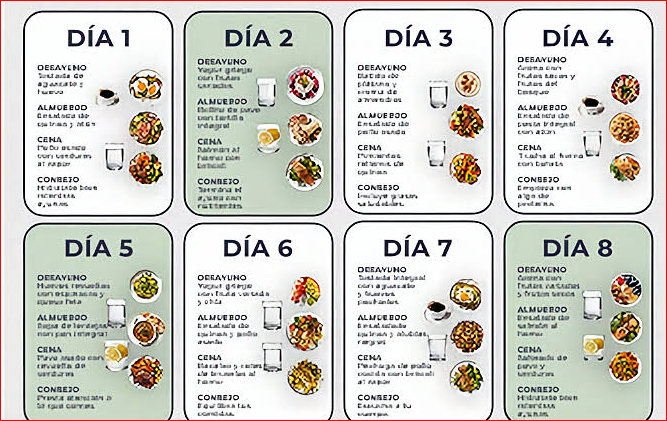
Why the glycemic index matters
The glycemic index, or GI, shows how fast a food tends to raise blood sugar after eating. Foods with a GI of 55 or lower are generally easier on blood sugar, while foods above 70 can cause a sharper spike.
GI is not the only rule, but it is useful when comparing rice, bread, noodles, fruit, and snacks. Portion size, cooking method, and what you eat together with carbohydrates also matter.
Foods that are usually better for blood sugar
- Vegetables such as broccoli, spinach, cabbage, cucumber, and mushrooms
- Beans and soy foods such as tofu, lentils, and red beans
- Whole grains such as brown rice, barley, oats, and whole wheat
- Blue fish such as mackerel, salmon, and tuna
- Berries such as blueberries, strawberries, and raspberries
- Nuts such as almonds, walnuts, and peanuts in small portions
These foods tend to offer fiber, protein, healthy fats, or antioxidants. That combination can slow digestion and reduce the size of post-meal glucose spikes.
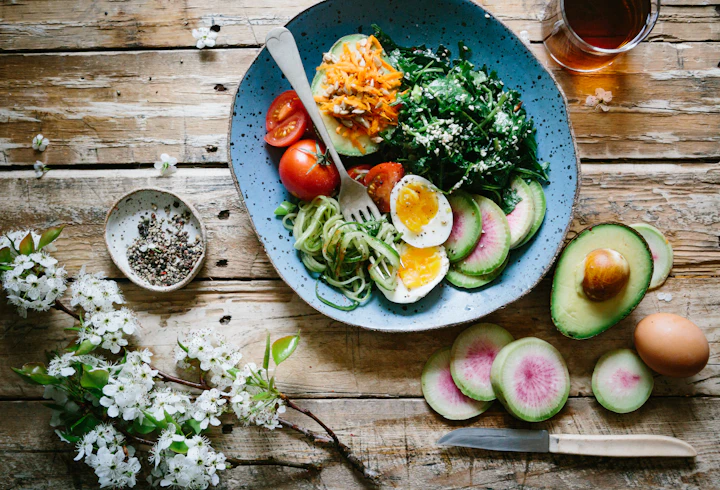
Foods that can raise blood sugar quickly
- White bread, white rice, rice cakes, and instant noodles
- Fruit juice, soda, and sweetened energy drinks
- Cakes, donuts, cookies, and ice cream
- Fried foods and fast food that add excess calories and unhealthy fats
- Alcohol, which can disturb stable blood sugar control
- Processed meats and salty processed foods
Liquid sugar is especially easy to underestimate. Juice can look healthier than soda, but it can still deliver sugar quickly without the fiber found in whole fruit.
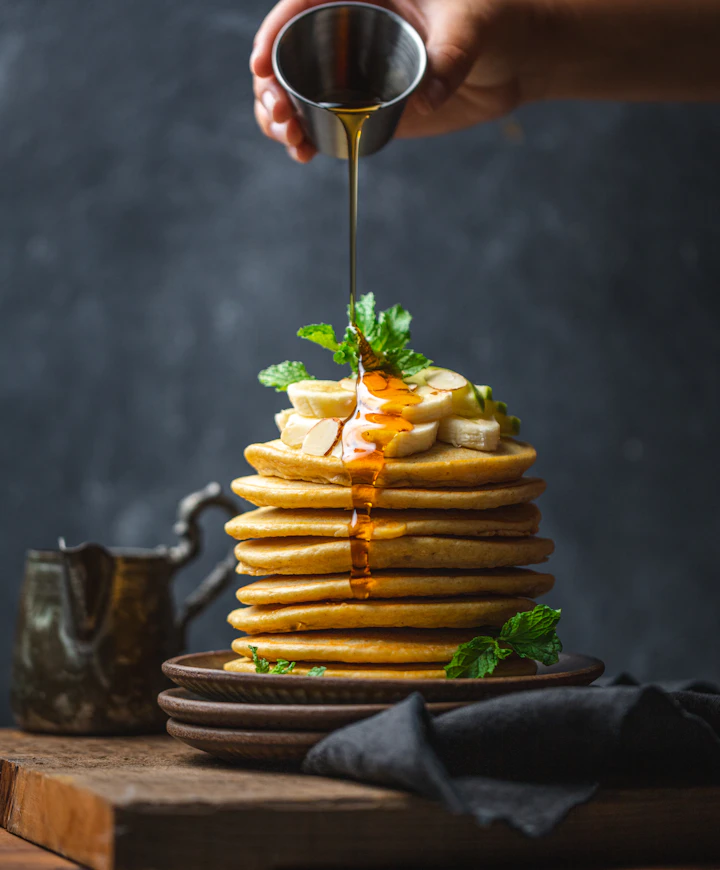
Five meal rules that are easier to keep
Eat at regular times, chew slowly for at least 20 minutes, start with vegetables, keep carbohydrates moderate rather than extreme, and avoid late-night meals close to bedtime.
A simple plate method can help: fill half the plate with vegetables, one quarter with protein, and one quarter with carbohydrates. This is easier to repeat than complicated calorie counting.
Eating out without losing control
When eating out, choose meals with more vegetables and protein first. Bibimbap with many vegetables, ssambap, or soybean-paste stew meals can be better choices than fried or heavily sweetened menus. For soup dishes, eat more solids and less salty broth.
A 10 to 15 minute walk after a meal is also a realistic way to reduce a post-meal glucose spike. Small habits repeated daily often work better than a strict plan that cannot be continued.
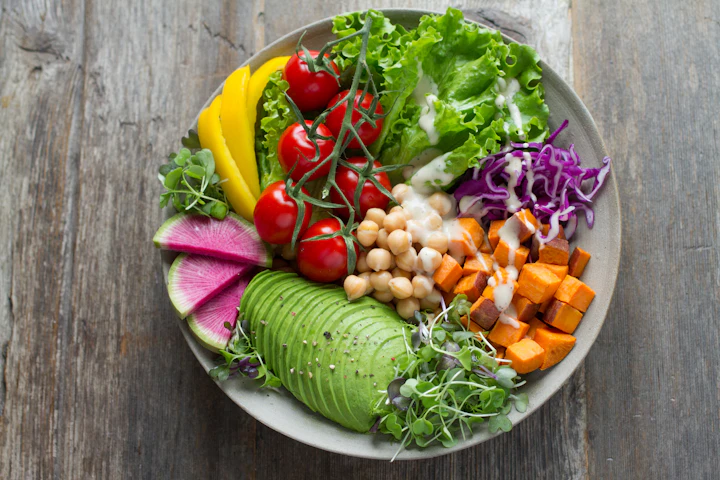
Personal advice still matters
Diabetes meal planning should reflect weight, activity level, medication, kidney function, and complications. If blood sugar is already high or medication is being used, a dietitian or endocrinology clinic can help adjust the plan safely.
#DiabetesDiet #BloodSugar #LowGI #HealthyEating #Prediabetes #DiabetesFood
이 글은 제휴활동의 일환으로, 구매가 발생할 경우 일정액의 수수료를 제공받을 수 있습니다.