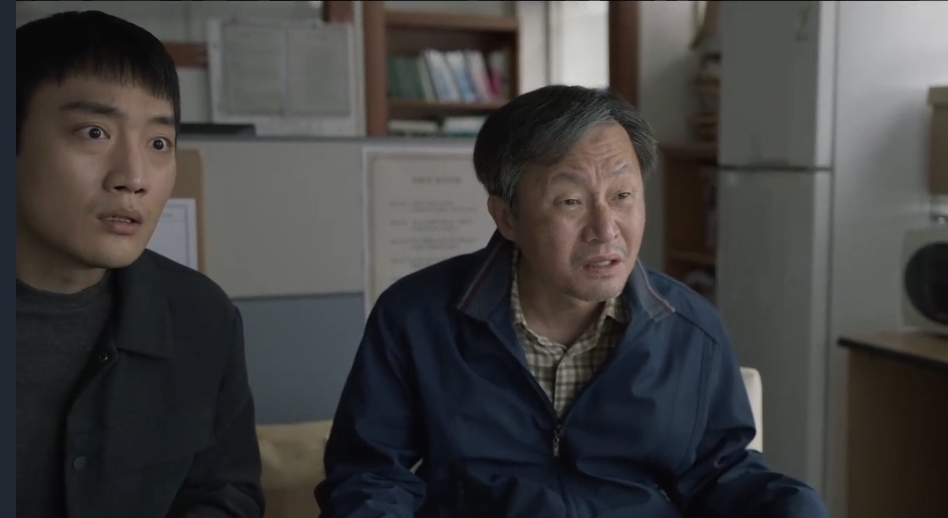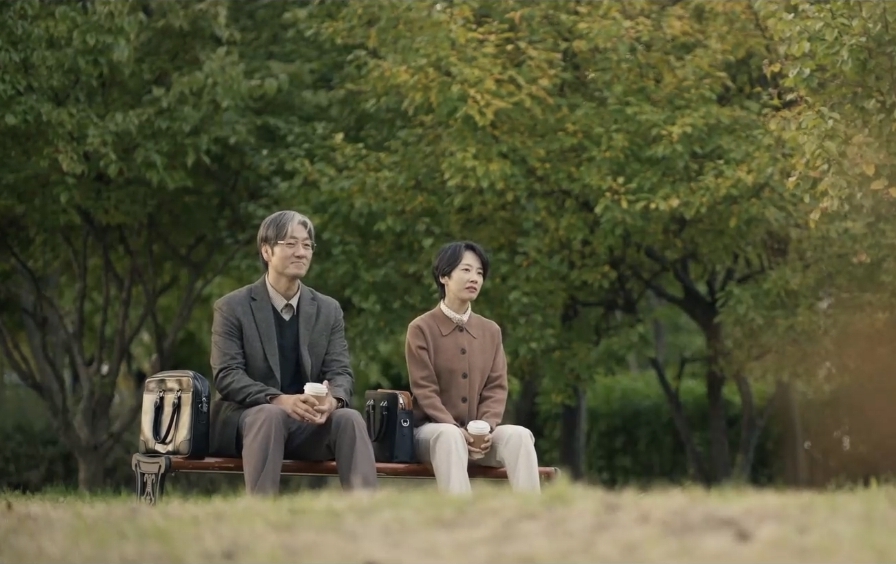


Truth can clear a false charge, but it cannot return the years that were taken away. Scarecrow Episode 12, the finale, brings the fabricated investigation around the Gangseong serial murder case into court and into public view.
Scarecrow Episode 12 Finale Recap: Lee Yong-woo’s Testimony, Im Seok-man’s Acquittal, and Cha Si-young’s Denial
The final episode follows Kang Tae-joo as he draws testimony from Lee Yong-woo and uses the retrial of Im Seok-man to correct a truth that was buried for three decades. It is not a simple revenge ending. The truth is exposed, but not every person who helped bury it is fully punished.
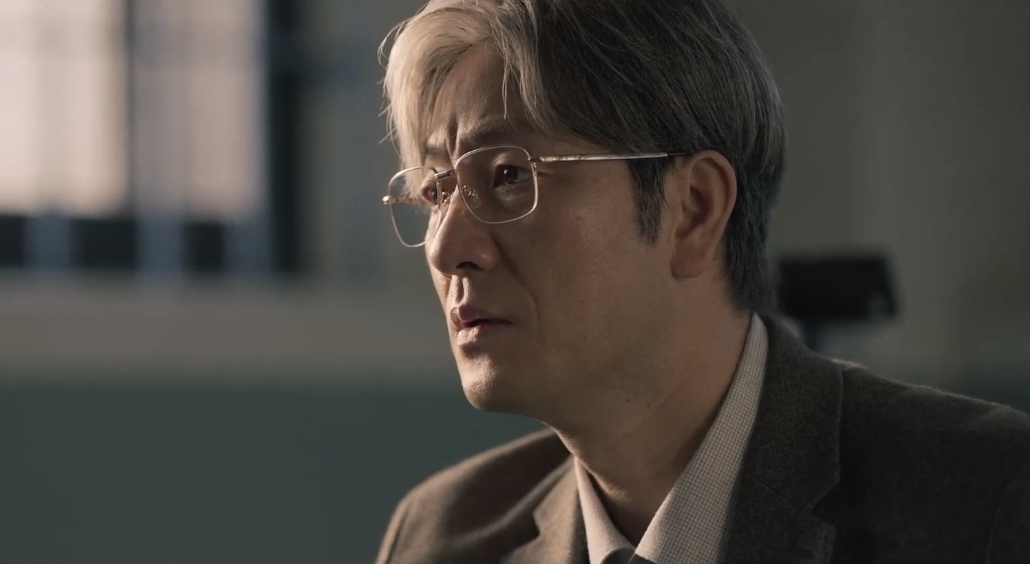
Scarecrow has moved between the 1988 Gangseong serial murder case and the 2019 present, tracing not only the real killer but the long shadow of a false charge and a manipulated investigation. Episode 12 focuses on how a confession becomes legal truth, and how late justice still leaves permanent damage.
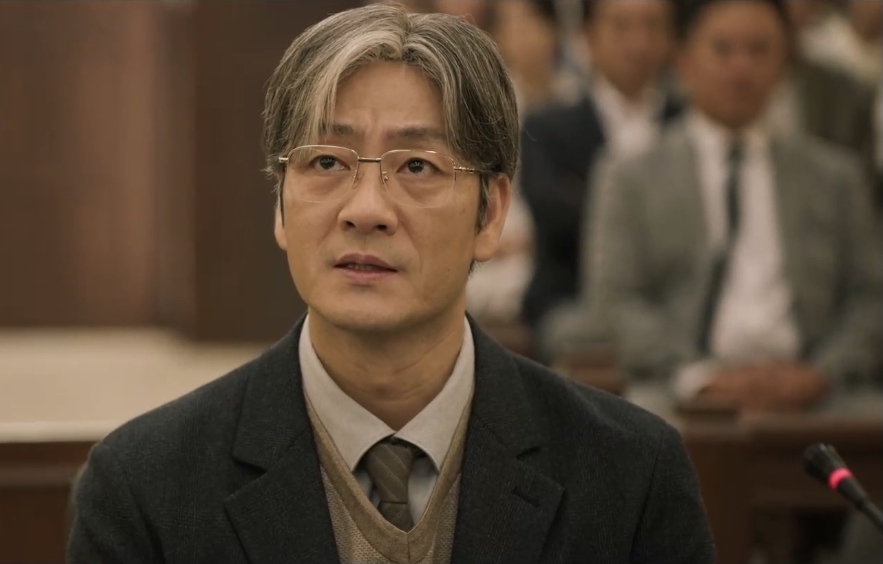
Scarecrow Episode 12 basic information
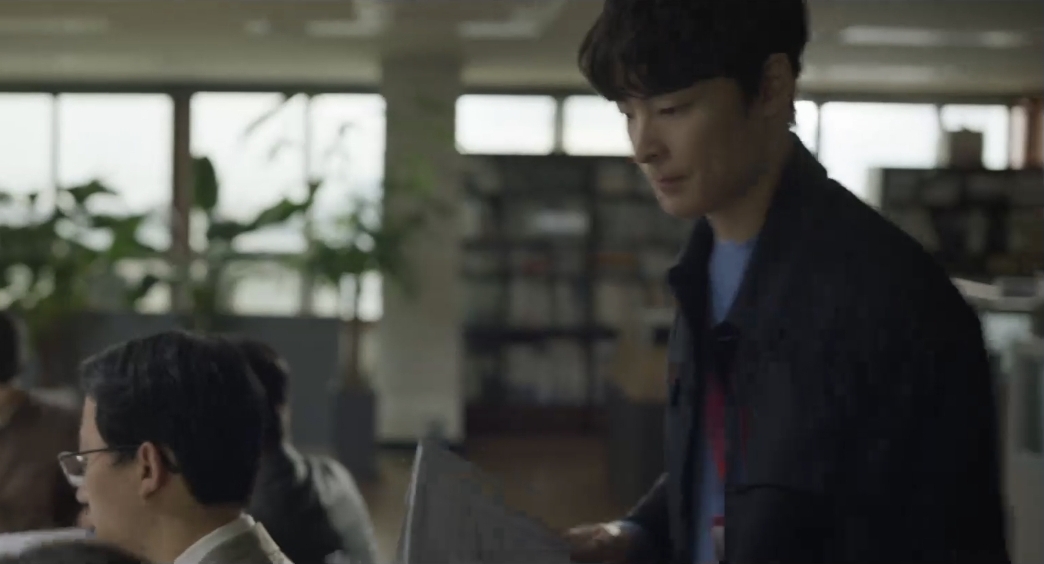
How Episode 11 leads into the finale
Episode 11 prepared the retrial of Im Seok-man and placed Kang Tae-joo at the center of a painful moral choice. The killer had been caught, but the people who made a false culprit and protected the lie were still trying to survive behind power and silence.
Cha Young-beom entered the finale with anger and misunderstanding. He believed Kang Tae-joo may have been involved in his father Lee Gi-beom’s death, but the final episode shifts his anger toward the real structure that destroyed his family.
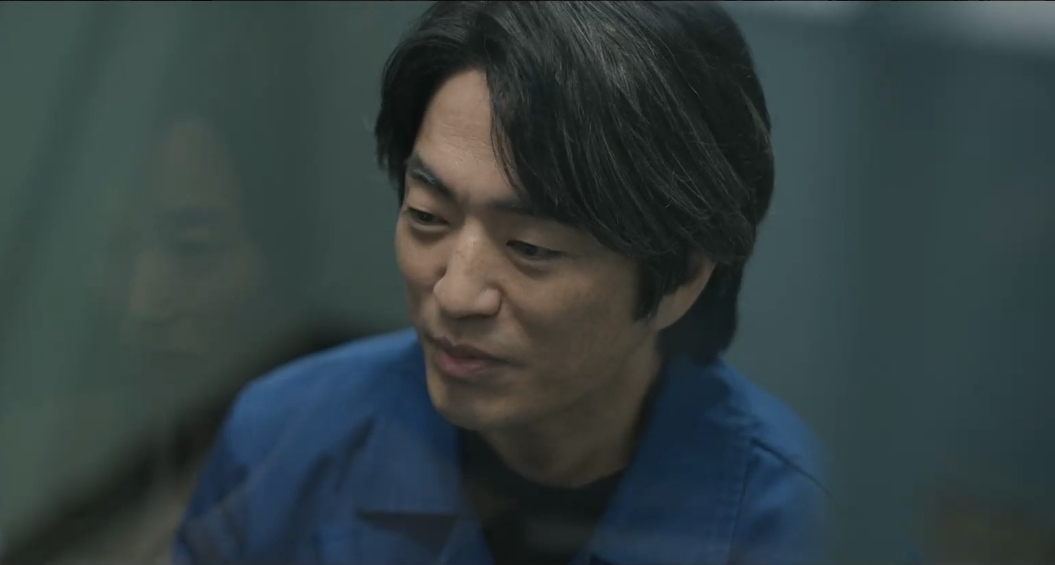
Episode 12 story flow
In prison, Lee Yong-woo says he will testify in Im Seok-man’s retrial, but he wants to meet Cha Young-beom. The condition shows that even at the end, his confession is mixed with ego and obsession.
Young-beom visits people connected to the old case and learns that Kang Tae-joo was not the simple perpetrator he imagined. The direction of his anger begins to move from Tae-joo to Cha Si-young.
Tae-joo needs the killer’s testimony to expose the hidden truth. This is not a righteous partnership; it is a grim decision to use the only witness who can confirm what was buried.
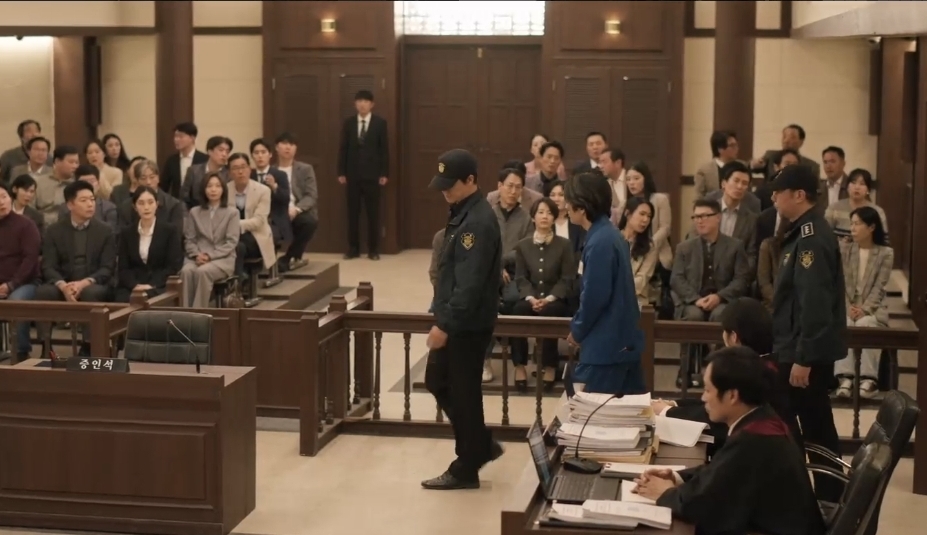
Lee Yong-woo’s statement and DNA evidence point away from Im Seok-man and toward Lee Gi-hwan, also known as Lee Yong-woo. The seventh case is finally rebuilt in court through evidence rather than forced confession.
The verdict clears his name, and the court expresses an apology. But the ruling cannot restore the years of imprisonment, stigma, and fear that he carried for decades.
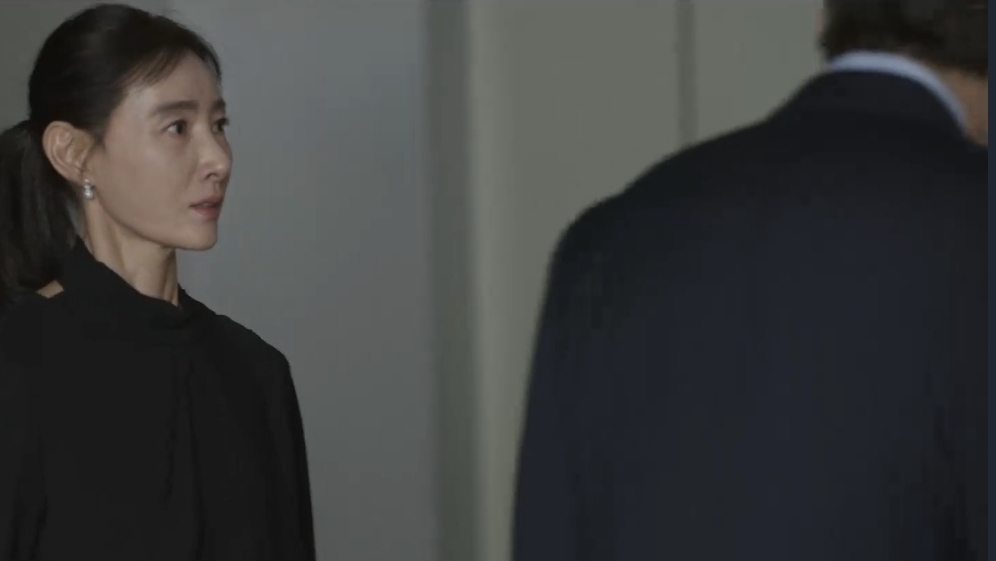
In court and in front of Young-beom, Cha Si-young denies the coercive investigation and refuses to apologize. His final posture is not collapse but denial.
When the legal process cannot fully punish every person involved, Tae-joo chooses record and disclosure. Through the broadcast, the hidden names connected to the 1988 cover-up are brought into public memory.
Young-beom asks Cha Si-young to admit what he did and apologize to the families of Im Seok-man and Yoon Hye-jin. When Si-young refuses, Young-beom decides to face him not as family but as a journalist.
Even if Yong-woo’s testimony helps reveal the truth, Tae-joo refuses to let him appear as a savior. The murders began with him, and the finale keeps that moral line clear.
Ending points at a glance
| Point | What happens | Meaning |
|---|---|---|
| Lee Yong-woo’s testimony | He testifies in the retrial. | The killer’s words become the key to undoing a false charge. |
| DNA evidence | The evidence supports the new truth in court. | The case is corrected through proof, not pressure. |
| Im Seok-man | He is acquitted. | The law corrects the record, but too late to restore his life. |
| Cha Si-young | He denies responsibility. | The finale shows the face of power that refuses apology. |
| Yoon Hye-jin’s case | The truth is revealed, but the statute of limitations remains a wall. | Truth does not always become full legal punishment. |
| Cha Young-beom | He cuts emotional ties with Cha Si-young. | The victim’s son becomes someone who will keep asking questions. |
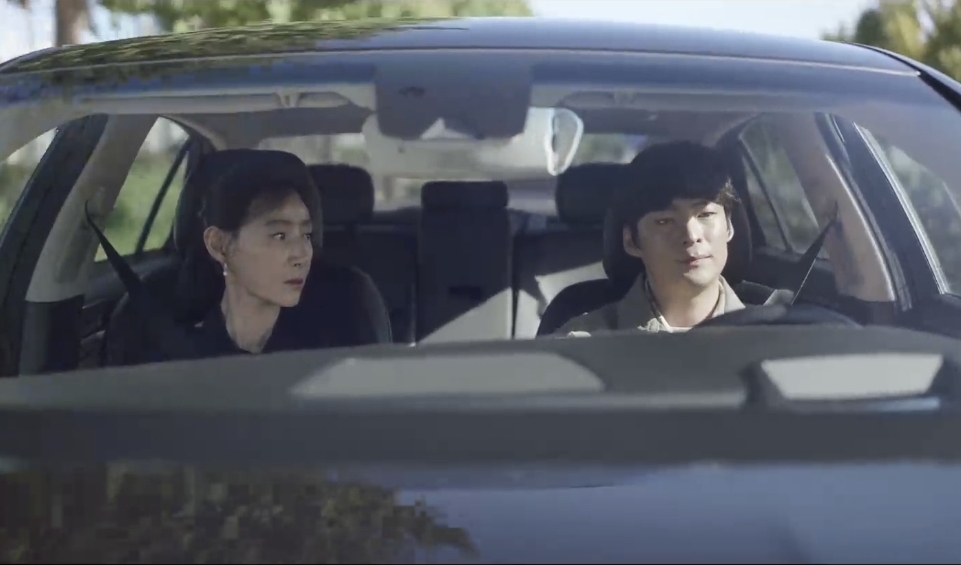
Character arcs in the finale
Kang Tae-joo
Tae-joo stands as the person who drags the buried truth into the open. He uses Lee Yong-woo’s testimony but never excuses the killer. His final role is to separate truth-telling from redemption.
Cha Si-young
Si-young refuses to admit responsibility until the end. His ending is bitter because he does not receive a cathartic downfall; instead, he exposes how far denial can go.
Cha Young-beom
Young-beom’s view changes the most. He moves from blaming Tae-joo to confronting the truth about Cha Si-young, and finally chooses the position of a journalist rather than a protected family member.
Lee Yong-woo / Lee Gi-hwan
His testimony is decisive, but it does not absolve him. The finale makes clear that the cover-up was monstrous, yet the first tragedy began with the murderer.
Im Seok-man
His acquittal is necessary but painfully late. The episode uses him to show that a corrected verdict cannot return a stolen life.
Seo Ji-won
Ji-won remains connected to the act of recording and publishing truth. If Tae-joo moves through atonement, Ji-won helps turn hidden facts into public memory.
How the title Scarecrow is resolved
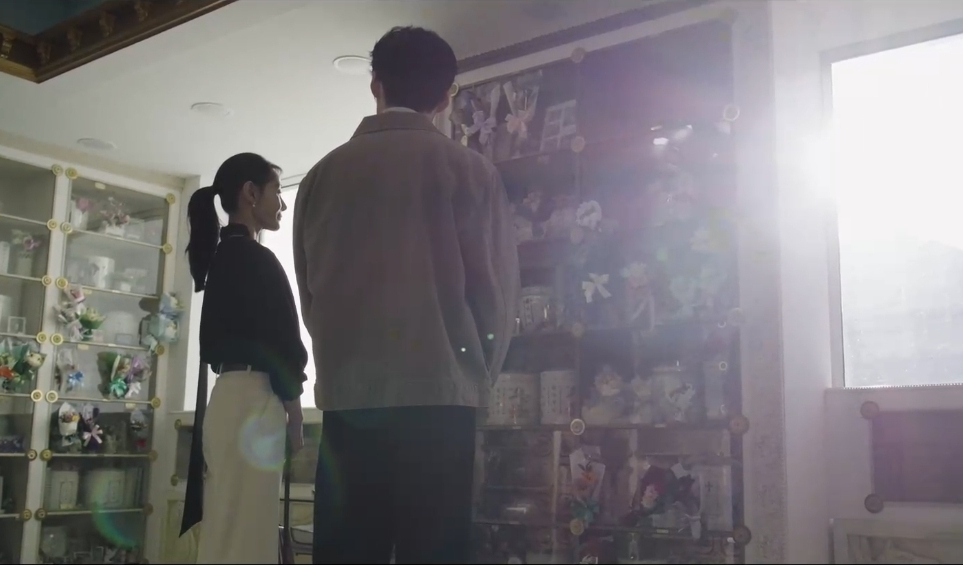
The finale suggests that the title does not point to only one person. Lee Gi-beom was used as a decoy for the real killer. Im Seok-man was turned into another false culprit. Even Kang Tae-joo had to confront how obsession and guilt made him move like a scarecrow placed by someone else. The ending asks who hid behind whom, and who was left standing in another person’s place.
Questions the finale leaves behind
Is public truth the same as justice?
The truth is revealed, but not every wrongdoer is punished. The finale treats public disclosure as a beginning, not a complete form of justice.
What can a late acquittal restore?
Im Seok-man receives a not-guilty verdict, but the damage to his life cannot be undone. The episode keeps that pain visible.
Why does Cha Si-young never admit fault?
His denial feels like fear of admitting that his entire public life was built on a buried crime.
What does Cha Young-beom inherit?
He inherits not only grief but the duty to ask questions. His final stance as a journalist gives the ending its lingering force.
FAQ
Q. Is Scarecrow Episode 12 the finale?
A. Yes. Episode 12 is the final episode.
Q. What happens to Im Seok-man?
A. He is acquitted in the retrial after Lee Yong-woo’s testimony and DNA evidence are presented.
Q. Who is the real killer in Scarecrow?
A. By the finale, the Gangseong serial murder case points to Lee Yong-woo, also known as Lee Gi-hwan.
Q. Does Cha Si-young apologize?
A. No. He continues to deny responsibility even when Young-beom demands an apology.
Q. Is the ending a happy ending?
A. Not completely. The truth is revealed, but the lost years and incomplete punishment leave a bitter aftertaste.
Final thoughts
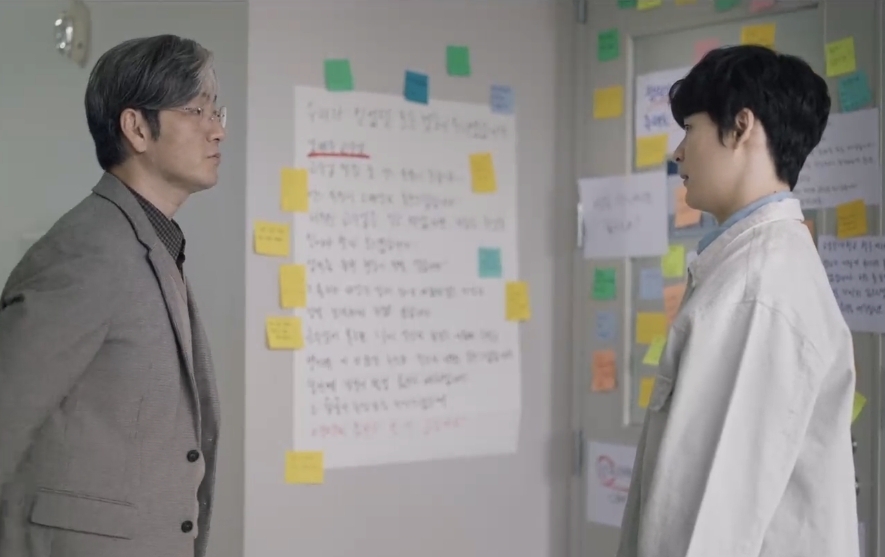
Scarecrow Episode 12 does not end by making every wrong right. Instead, it shows how a false charge, a buried crime, and a powerful person’s denial can damage lives for decades. Im Seok-man’s acquittal is necessary, but it is painfully late. Cha Young-beom’s final decision is also important because it suggests that the next generation will no longer stay silent.
The finale is therefore less of a clean revenge ending and more of a realistic conclusion about truth, record, and responsibility. That is why the final episode remains bitter even after the truth is exposed.