




When you start hearing about creatinine levels or eGFR at a health checkup, diet can suddenly feel complicated. Cutting back on salt may be familiar, but many people become confused when they realize that protecting kidney health also means paying attention to potassium, phosphorus, and protein. A kidney diet is not about simply eating less of everything; the key is choosing foods and cooking methods that fit your own condition.
Core Diet Principles for Protecting Kidney Health
5 Good Foods and Important Intake Precautions
The kidneys are important organs that maintain fluid and electrolyte balance and filter waste products. In particular, if you have chronic kidney disease or reduced kidney function, you need to manage not only sodium but also potassium, phosphorus, and protein intake. Here, we summarize the basic principles of a kidney-protective diet, five relatively easy-to-use ingredients, and practical eating tips you can apply at the table right away.
The First Principles to Know in a Kidney-Healthy Diet
When the kidneys weaken, their ability to remove waste products and electrolytes from the body declines, so a different approach from a general healthy diet is needed. In particular, people with chronic kidney disease need to reduce sodium to manage blood pressure and swelling, while potassium and phosphorus may need to be restricted depending on blood test results. Protein is also not better simply because you eat more of it; adjusting intake according to disease stage and dialysis status is important.
In other words, the idea that “it is healthy, so I can eat a lot of it” does not work in a kidney diet. For example, fruits and vegetables are generally healthy foods, but patients who need potassium restriction must consider both the type and amount. Foods that are high in phosphorus or contain many phosphorus additives, such as dairy products, nuts, legumes, and processed meats, may also require caution depending on your condition.
Important point to remember
This article summarizes general dietary principles. If you have already been diagnosed with chronic kidney disease, are on dialysis, or have high potassium or phosphorus levels on blood tests, the range of foods you can eat may differ. For safety, your individual diet should always be adjusted in consultation with your healthcare team.
5 Kidney-Friendly Ingredients That Are Relatively Easy to Use
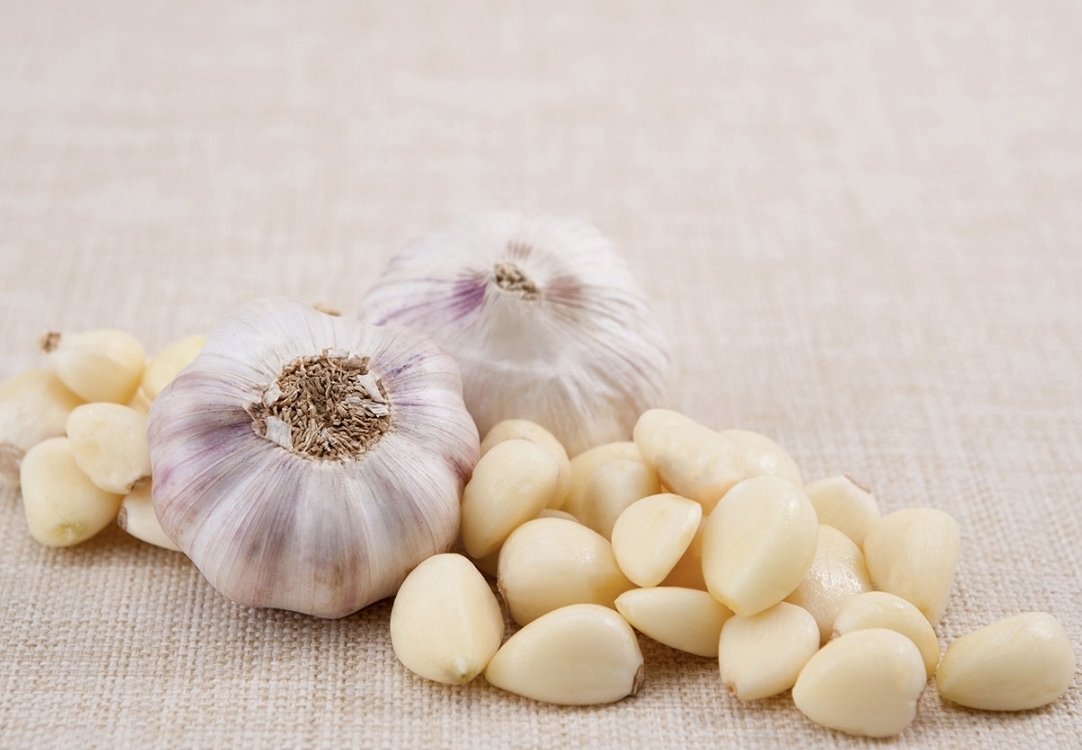
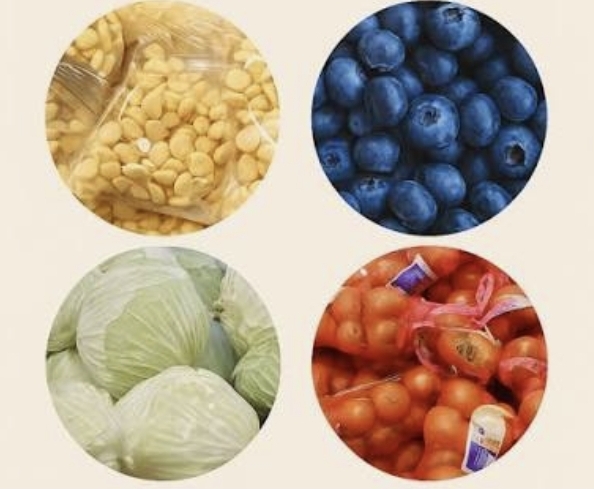
1. Garlic
Garlic is an ingredient that can help reduce salt use by enhancing the flavor of food. Components related to antioxidant and anti-inflammatory effects, such as allicin, have also drawn attention, and some preclinical studies have reported the possibility of easing kidney injury. However, effects in humans may vary depending on disease status, so it is more appropriate to view garlic not as a “therapeutic food,” but as an ingredient that helps make a low-salt diet more enjoyable.
2. Blueberries
Blueberries are rich in anthocyanins and can be expected to serve as an antioxidant food even in relatively small amounts. In general, they tend to place a relatively lower potassium burden than bananas or melons, so they are often mentioned in kidney diets. However, with fruit, the amount eaten at one time is more important than the type, so it is best to avoid the habit of eating a large quantity at once.
3. Egg Whites
Egg whites provide high-quality protein while placing a lower phosphorus burden than egg yolks, so they are frequently used in kidney diets. They are especially a good option when protein supplementation is needed but you do not want to increase phosphorus intake too much. However, protein intake itself may follow different adjustment principles depending on disease stage, so even if it is a “good protein,” eating a lot without limits is not appropriate.
4. Cabbage
Cabbage is often recommended as a vegetable that is highly versatile in salads, stir-fries, and steamed dishes and has a relatively low potassium burden. It can help balance the diet by providing dietary fiber and vitamin C. Cruciferous vegetables such as broccoli and cauliflower are also frequently mentioned, but the actual allowed amount may vary depending on an individual’s potassium level and cooking method.
5. Apples
Apples are juicy and relatively low-burden fruits that are often used in kidney diets. Eating them with the peel can help with dietary fiber intake, but if your digestion is weak, it may be more comfortable to divide the amount into smaller portions. Onions are also widely used as an ingredient that adds aroma and helps support a low-salt diet.
The Real Standard for Choosing Ingredients
Ultimately, what matters is not “what is absolutely good,” but how much of it can be eaten safely in your current kidney function status. The standards for the same food may differ in early-stage chronic kidney disease, advanced disease, and dialysis patients, so use food lists only as a starting point and personalize your actual intake.
An Easy Table for Managing Potassium, Phosphorus, and Sodium
| Item to manage | Why it matters | Practical management points |
|---|---|---|
| Sodium | May be associated with increased blood pressure, swelling, and worsening proteinuria | Reduce soup and broth, cut down on processed foods, salted seafood, instant noodles, ham and sausage products, and use garlic, onion, and pepper instead of salty seasonings |
| Potassium | When kidney function declines, the risk of hyperkalemia may develop | Adjust according to blood test results, control portions of high-potassium fruits and vegetables, and use cooking methods such as blanching and soaking |
| Phosphorus | When elevated, it can place a burden on bone health and vascular health | Check processed meats, processed foods, carbonated drinks, and phosphorus additives; review intake of dairy products, nuts, and processed cheese |
| Protein | Too little can be a problem, but excessive intake may increase the waste-product burden | Adjust according to disease stage and dialysis status, and maintain the principle of appropriate amounts even with good-quality protein |
Practical Eating Tips for Protecting the Kidneys
First, eat the solid ingredients rather than the broth
Salty broth hides more sodium than many people expect. When eating stews, soups, or hot pots, reducing broth intake and focusing on the solid ingredients can help. Increasing the use of chopsticks rather than a spoon during meals is also an easy method to practice.
Second, reduce the potassium burden of vegetables through cooking methods
If potassium restriction is needed, soaking vegetables in water or chopping them finely and then blanching them in boiling water may help reduce some potassium. For ingredients that tend to be high in potassium, such as potatoes, sweet potatoes, and spinach, differences in the cooking process can affect actual intake. It is best not to reuse the blanching water.
Third, check for “hidden phosphorus” in processed foods
Ham, sausage, nuggets, processed cheese, ready-to-eat foods, and some cola-type products may contain phosphate-based additives. In kidney diets, this added phosphorus from processing often requires more caution than phosphorus naturally present in foods. It is important to make a habit of checking the ingredient list on packaging.
Fourth, with fruit, “amount” matters as much as “type”
Even if fruit is good for the body, eating a large amount at once can cause problems when kidney function is reduced. In particular, if potassium restriction is needed, bananas, melons, tomatoes, orange juice, dried fruits, and similar foods may require portion control. Watermelon and Korean melon may also need to be limited depending on your condition, so it is safer to avoid overeating them just because they are considered healthy fruits.
These Foods Require Particular Caution
- Salty foods: Instant noodles, broth-based dishes, salted seafood, pickled vegetables, ham and sausage, delivery foods, fast food
- High-potassium foods: Bananas, melons, potatoes, tomatoes, avocado, spinach, dried fruits, and similar foods may need portion control when necessary
- High-phosphorus foods: Processed meats, processed cheese, processed foods with phosphate additives, some carbonated drinks, and excessive intake of nuts and seeds
- Excessive protein intake: Excessive intake of meat, protein supplements, and high-protein snacks may become a burden depending on your condition
However, the items above are not equally forbidden for everyone. The actual degree of restriction depends on blood potassium and phosphorus levels, whether you are on dialysis, and whether you have swelling or high blood pressure.
A simple way to manage your diet
A kidney diet is much easier to sustain when approached by increasing home-cooked meals, reducing processed foods, and bringing out the natural flavors of ingredients, rather than by adding more and more items to a “do not eat” list. Using ingredients such as garlic, onion, vinegar, pepper, and herbs can make meals much easier to enjoy without greatly increasing saltiness.
Frequently Asked Questions
Q. If I eat only foods that are good for the kidneys, will my kidney function recover?
A. That cannot be confirmed. Diet is very important in kidney health management, but the underlying disease, disease stage, medication treatment, and blood pressure and blood sugar management must also be addressed. Food alone does not solve every problem.
Q. Can I eat blueberries or apples every day?
A. They are generally mentioned as fruits that are relatively easy to use, but this depends on how much potassium restriction is needed and the amount eaten at one time. The principle of appropriate portions is important for fruit as well.
Q. Why are egg whites often recommended?
A. They are a good protein source and are favorable for meal planning because they place a relatively lower phosphorus burden than egg yolks. However, total protein intake still needs to be adjusted separately.
Q. Does blanching vegetables make them completely safe?
A. No. Blanching may help reduce some potassium, but it cannot remove it completely. Also, your personal test results and allowed amounts are more important.
Conclusion
A kidney-healthy diet may look complicated, but the major principles are clear: eat less salty foods, reduce processed foods, and adjust potassium, phosphorus, and protein according to your condition. By making good use of ingredients that are easy to put on the table, such as garlic, blueberries, egg whites, cabbage, and apples, you can continue balanced meals while reducing the burden.
However, there may be no single correct kidney diet for everyone. If your health checkup showed abnormal findings or you have already been diagnosed with chronic kidney disease, the safest approach is to adjust your diet based on blood test results and your healthcare team’s advice rather than fixing your diet based only on internet information.
※ This article is general health information and does not replace diagnosis or treatment. If you have chronic kidney disease, are on dialysis, have high potassium/phosphorus levels, or are being treated for diabetes or hypertension, adjust your diet with your healthcare team.
More lifestyle and health information
As part of affiliate activities, I may receive a small commission when qualifying purchases are made through links in this post.